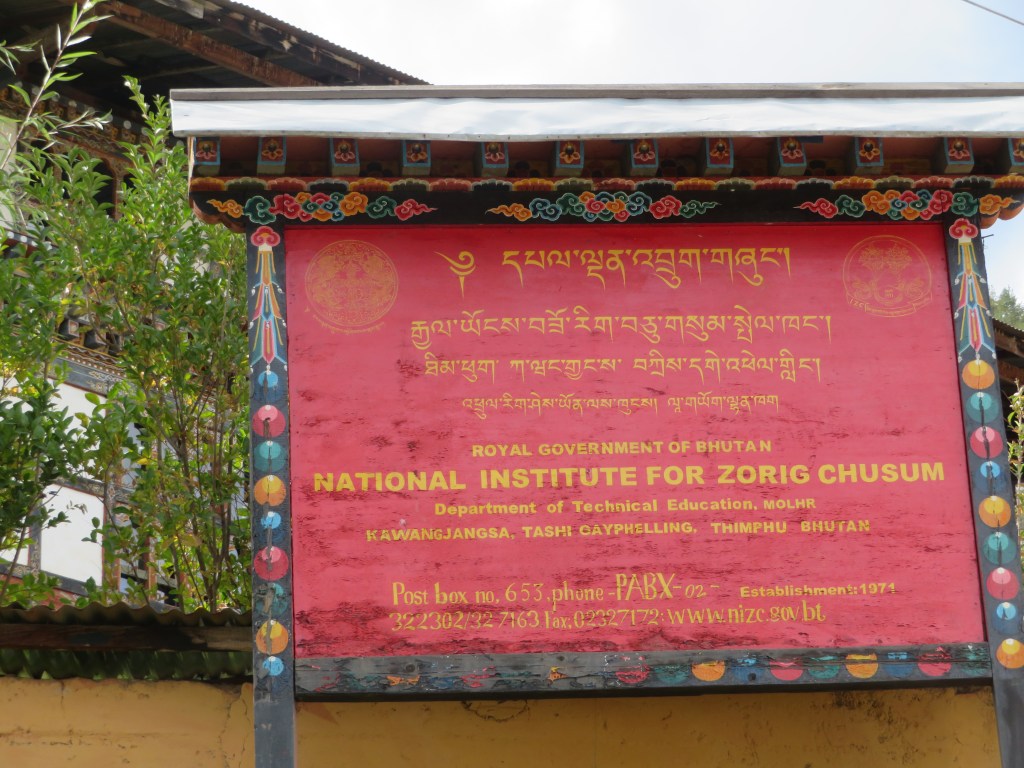
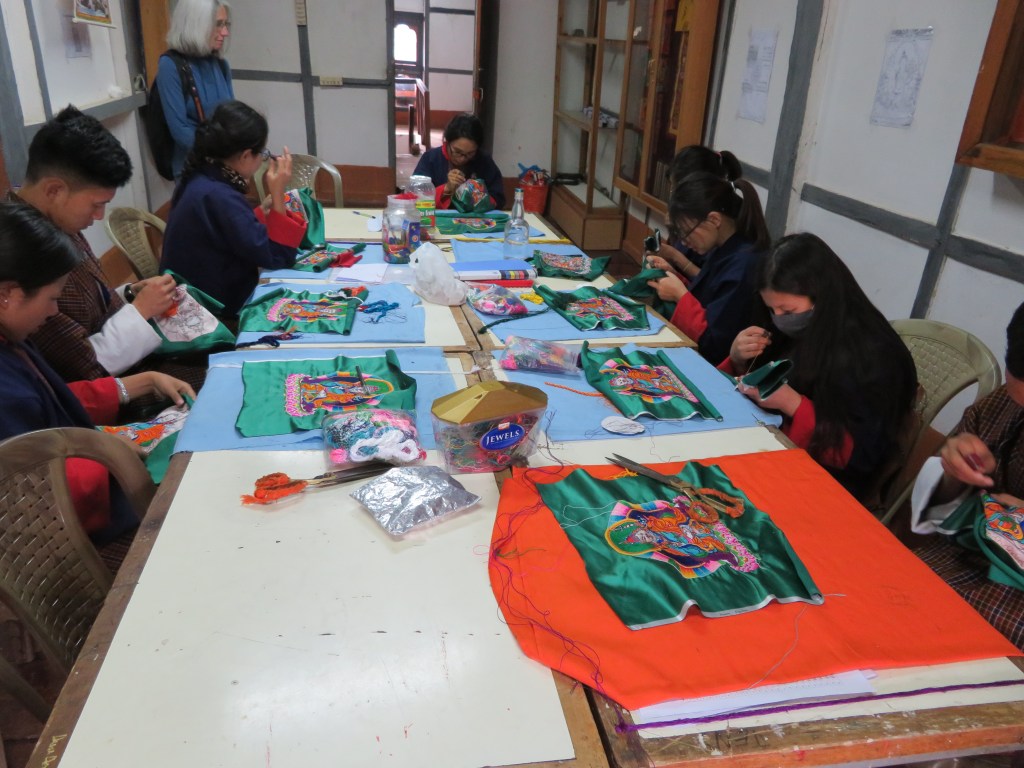
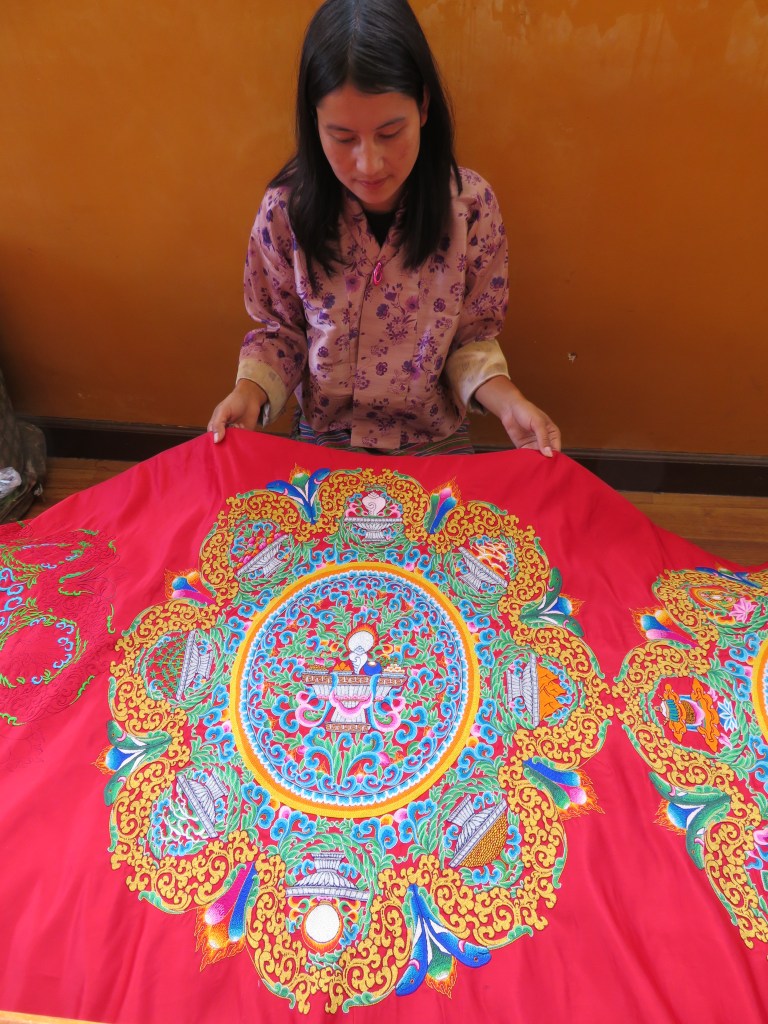
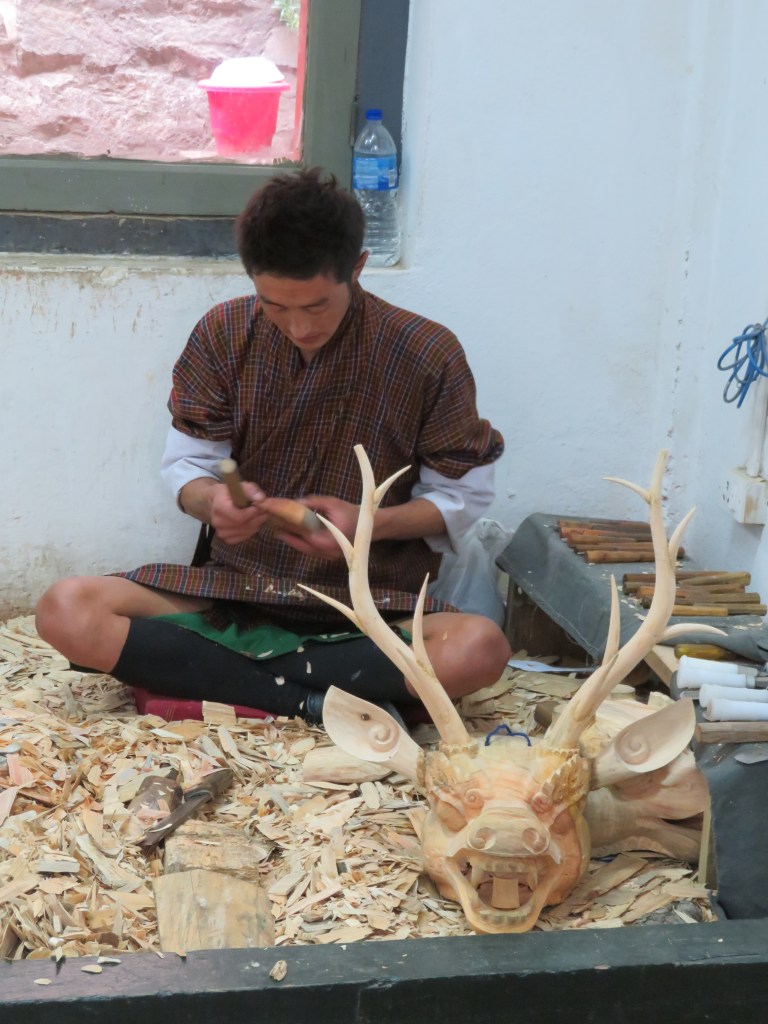
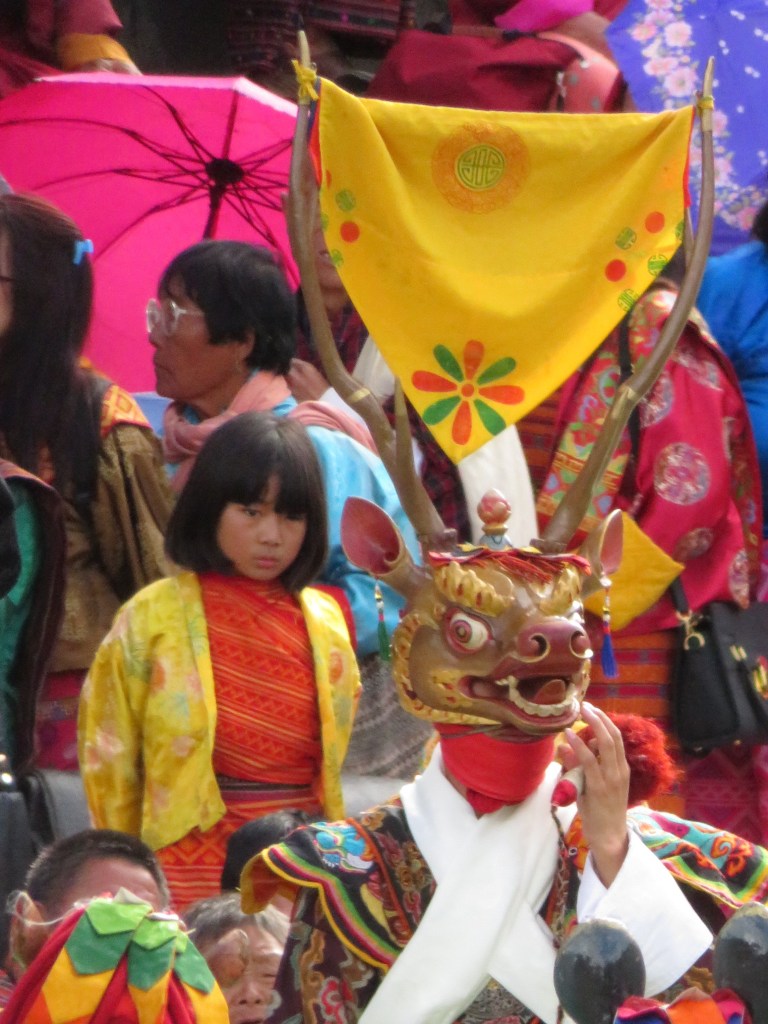
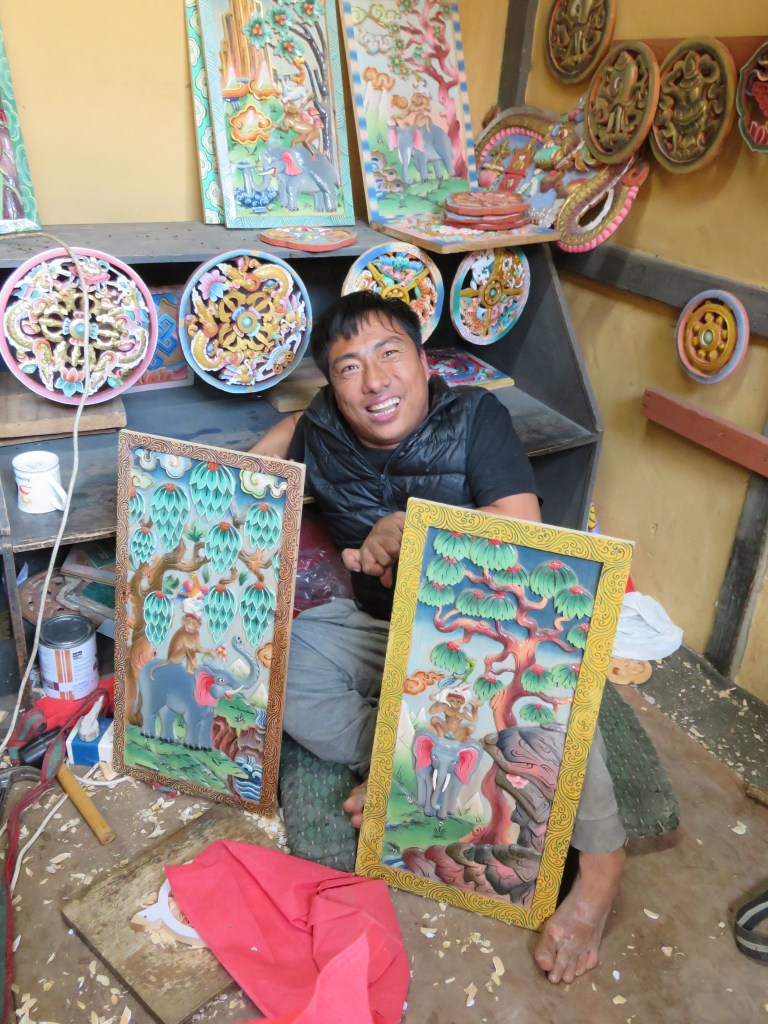
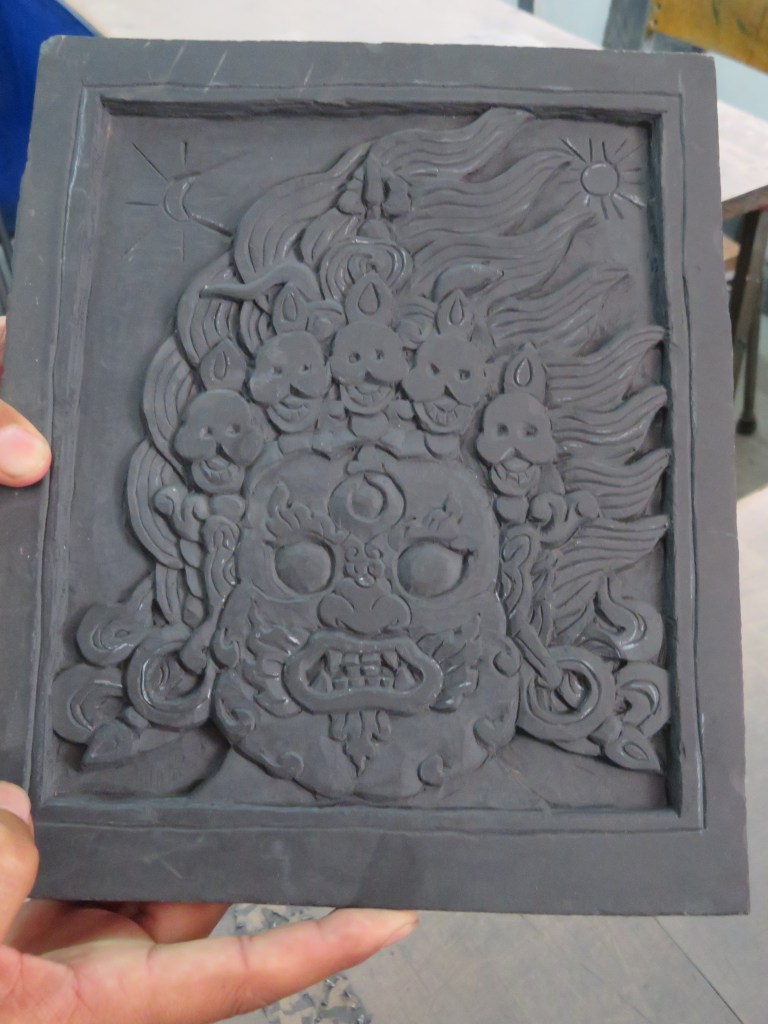
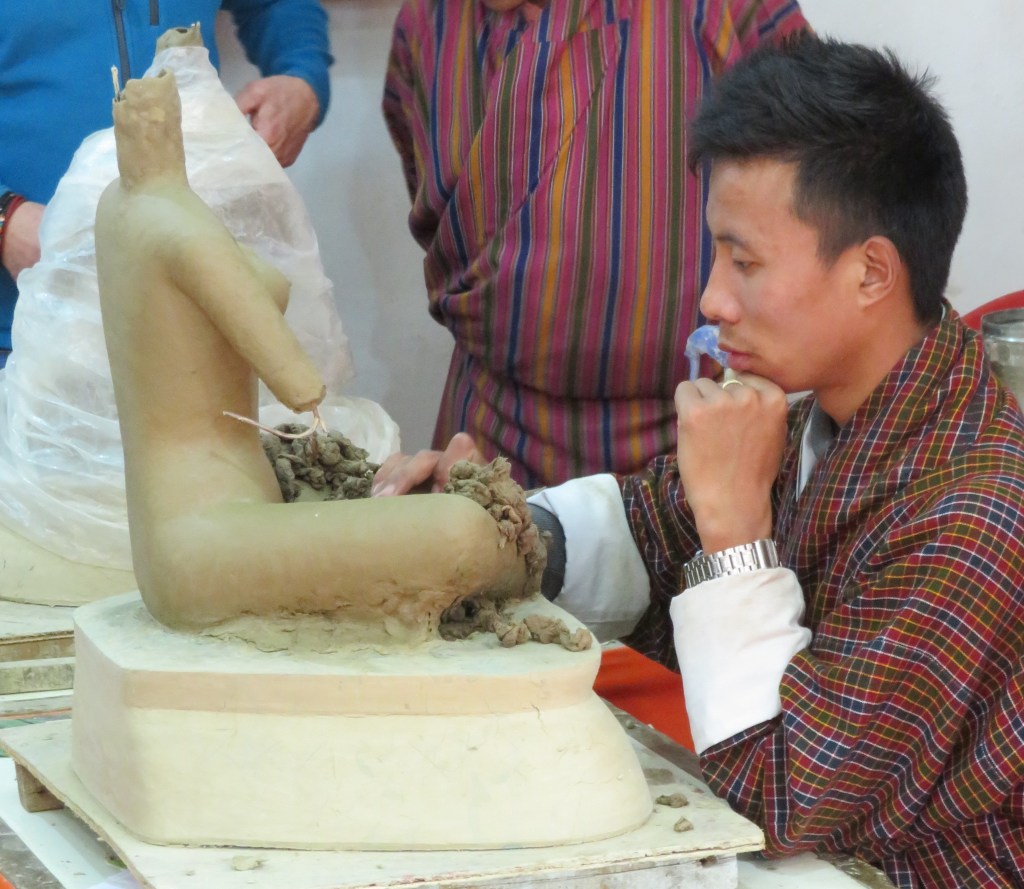
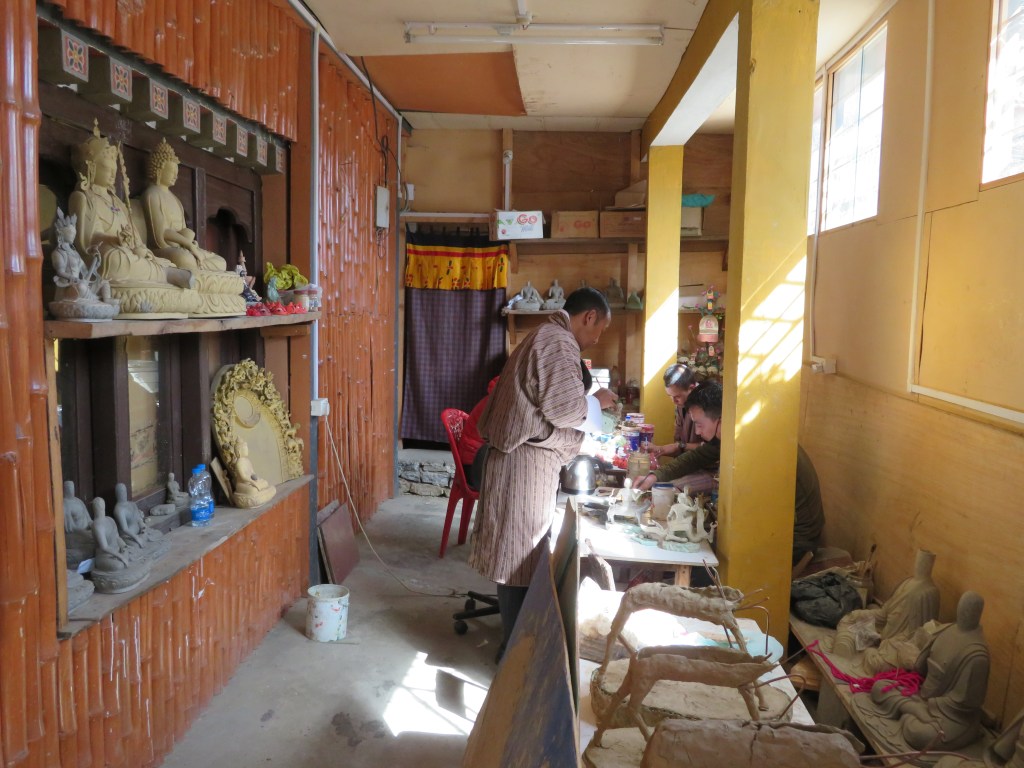
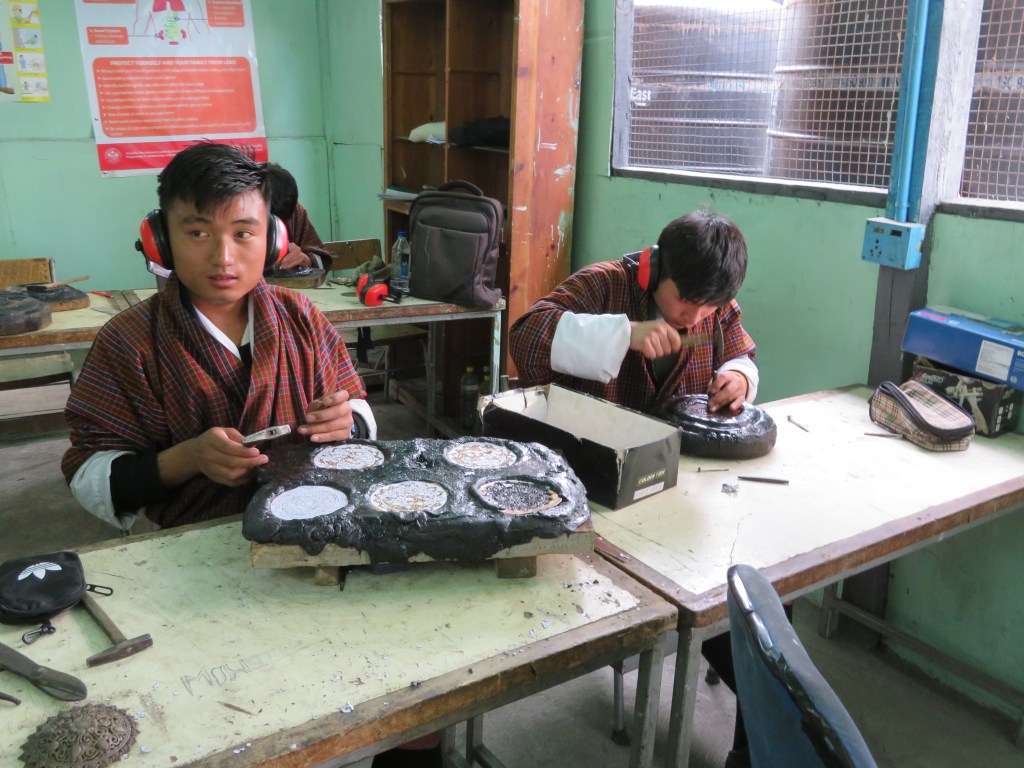
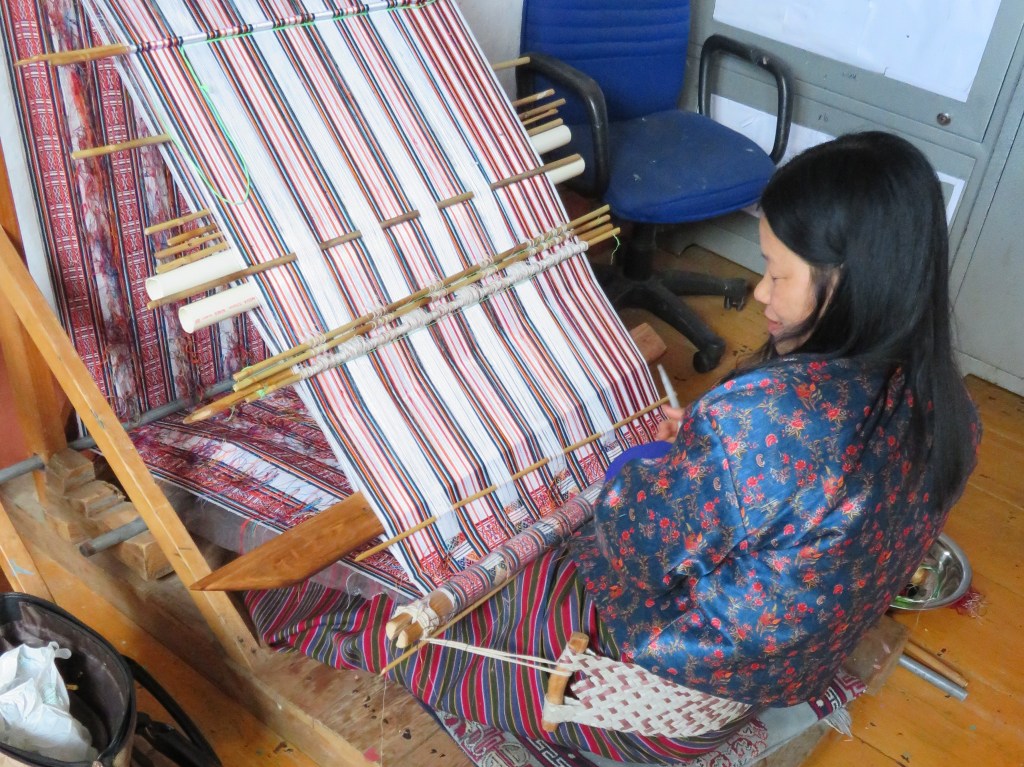
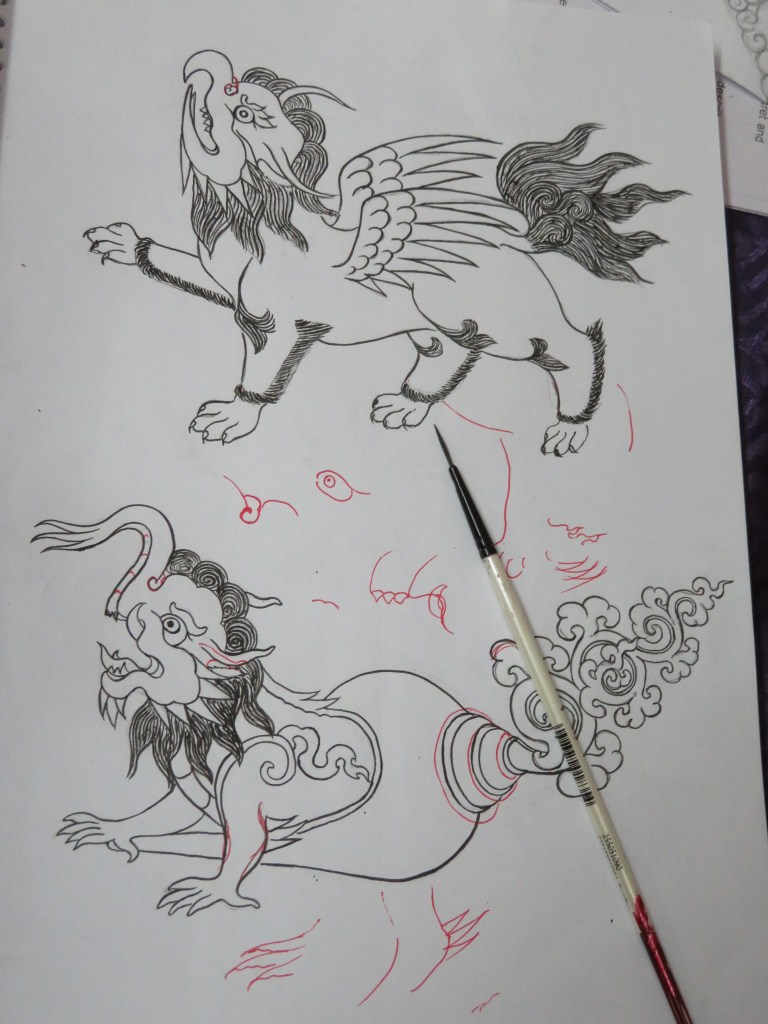
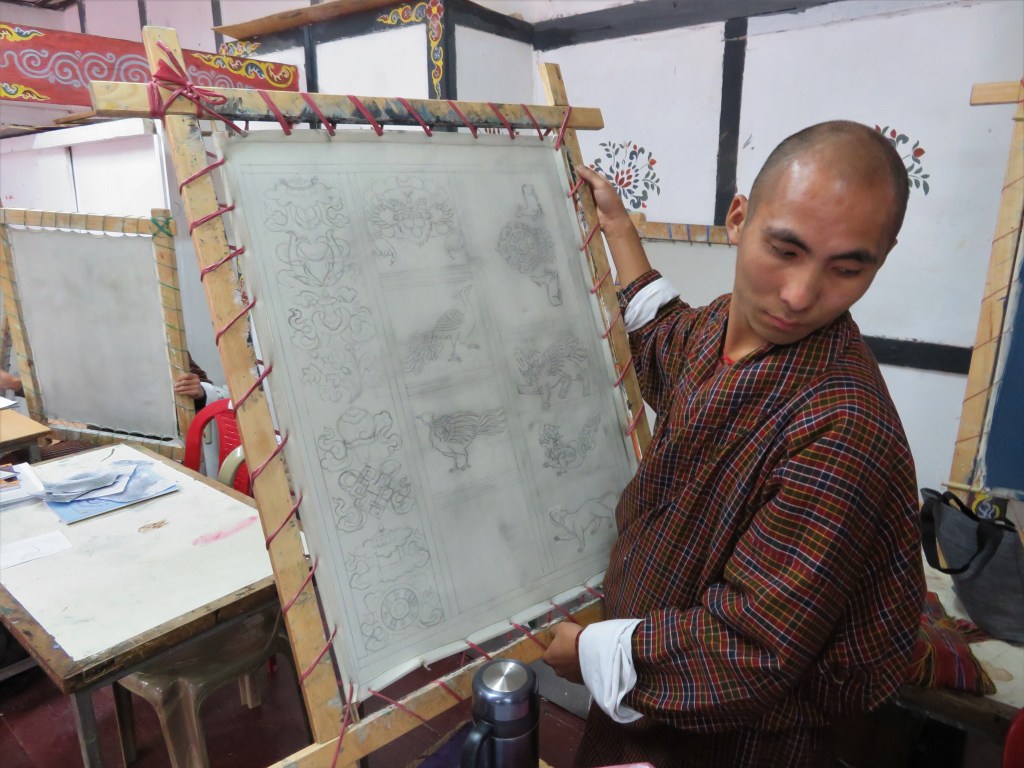
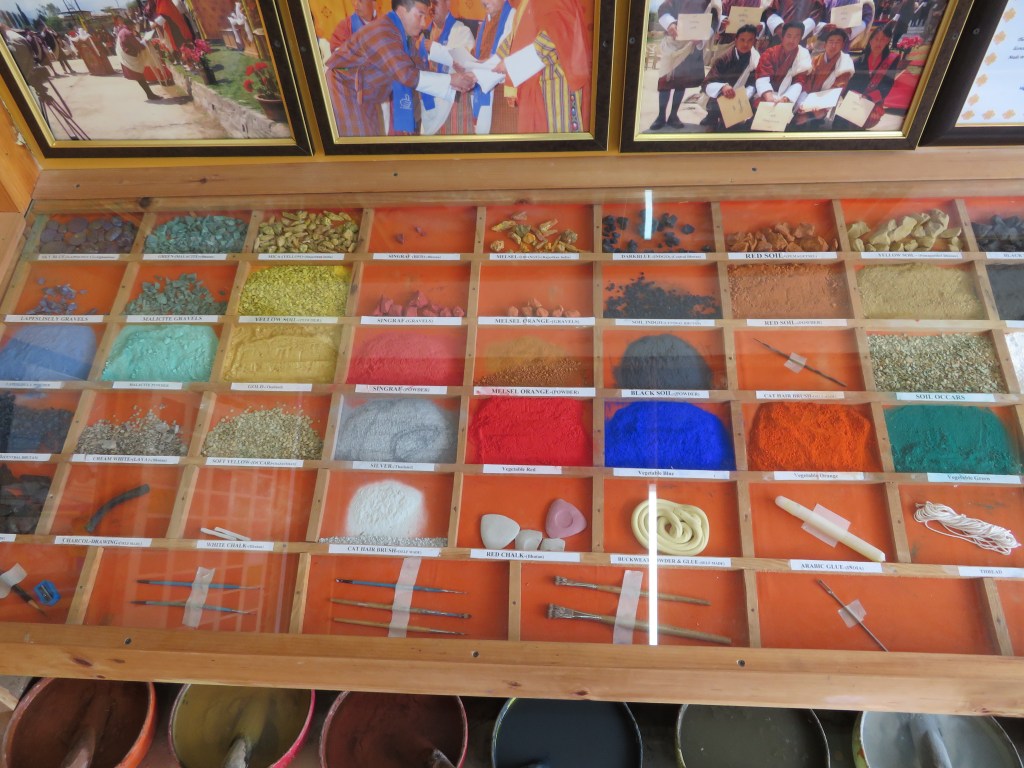
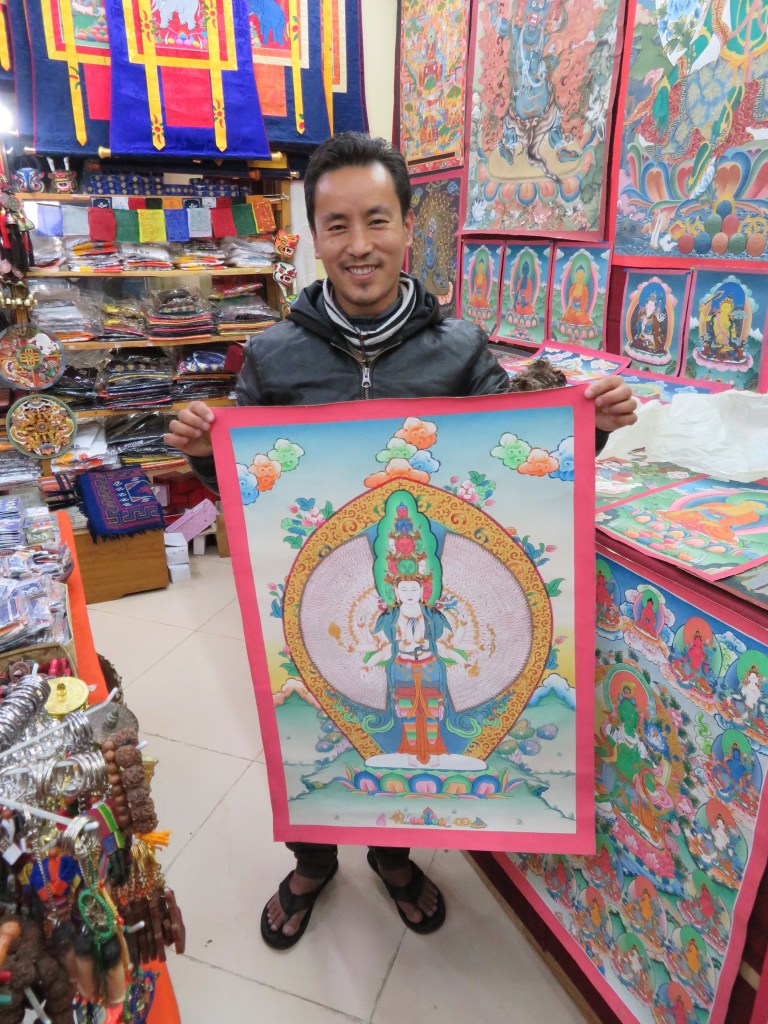
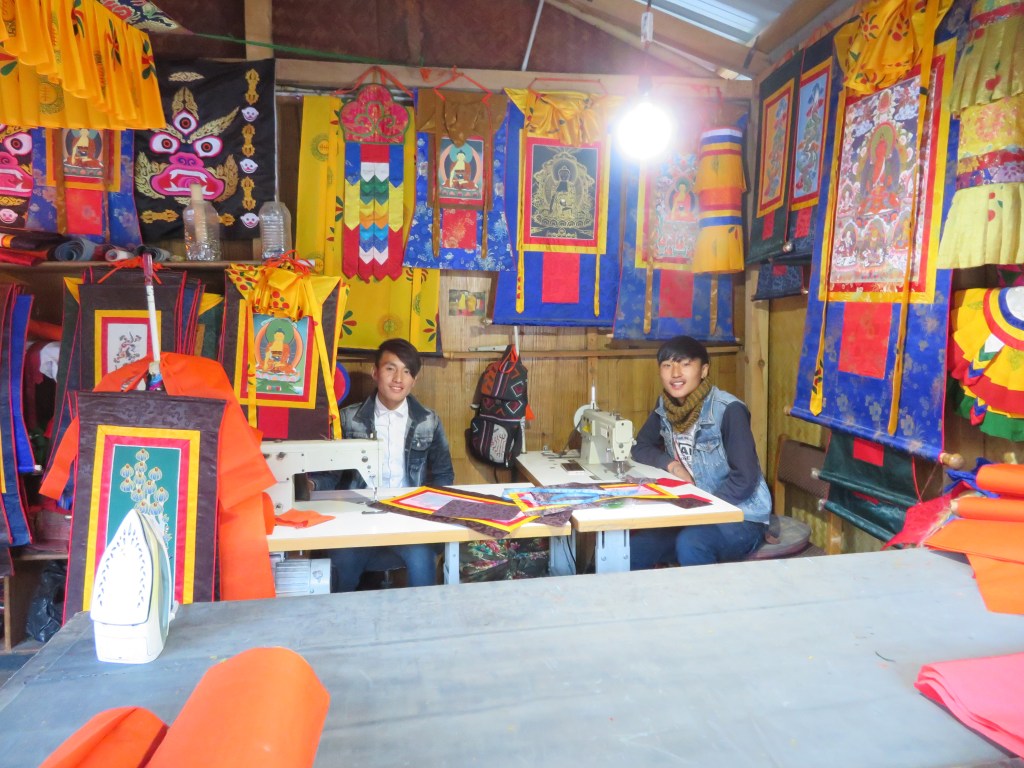
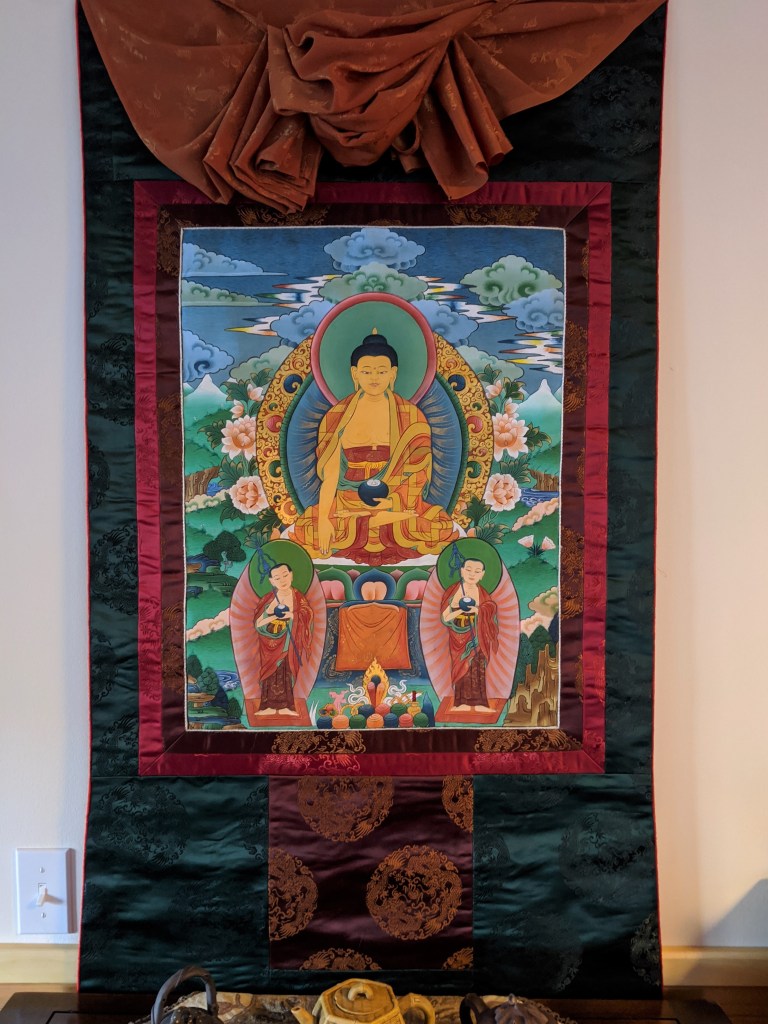
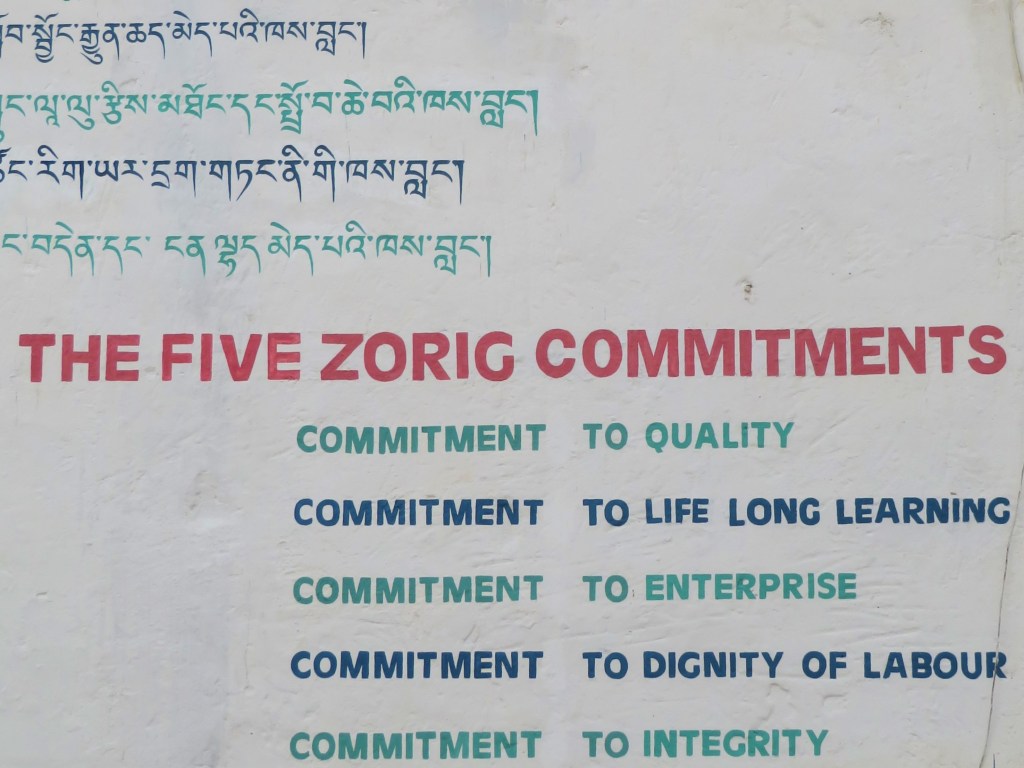
Cultural preservation is one of the pillars of Gross National Happiness. The National School of Zurig Chusum in Thimpu, is one of two institutes dedicated to the preservation and teaching of the traditional arts of Bhutan. The tradition arts include painting, wood, stone and slate carving, embroidery, tailoring, weaving, furniture making, paper making, stone work, sculpture, black smithing, silver and gold smithing, bronze casting, wood working, wood turning and cane and bamboo work. The great 15th century tertön, Pema Lingpa is traditionally credited with introducing the arts into Bhutan. In 1680, Ngawang Namgyal, the Zhabdrung Rinpoche, ordered the establishment of the school for instruction in the thirteen traditional arts.
Courses of study range from two to six years in duration, students applying as completion of Class 10 or 12 approaches. In addition to learning their specific craft, they take classes in business and marketing. On completion, graduates usual start their own businesses or partnerships. At the downtown end of the main street in Thimphu there are 83 craft stalls operated primarily by the graduates where their wares are available for sale to both locals and tourists.


 Our Seasons in Shangri la
Wow, this is incredible. What talent and dedication. It’s so important that these ancient arts are still important and well-cultivated.
LikeLike
Looking forward to seeing Little Bhutan in Saranac Lake.
LikeLike