Daphne Bholua and the Traditional Arts of Bhutan

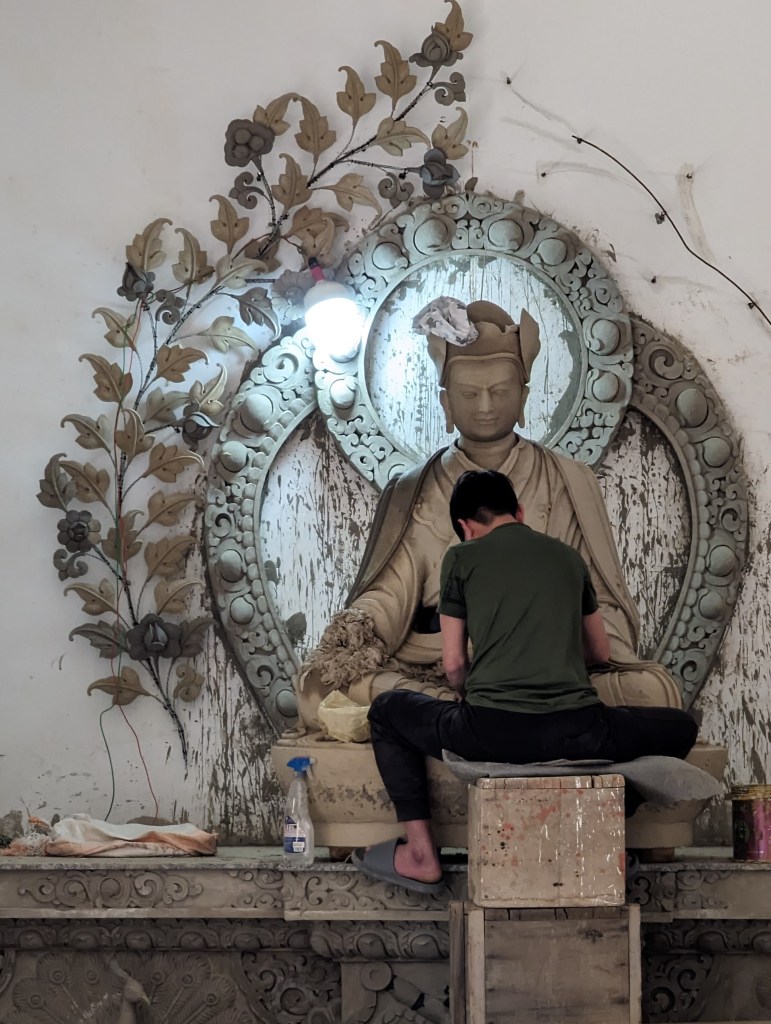
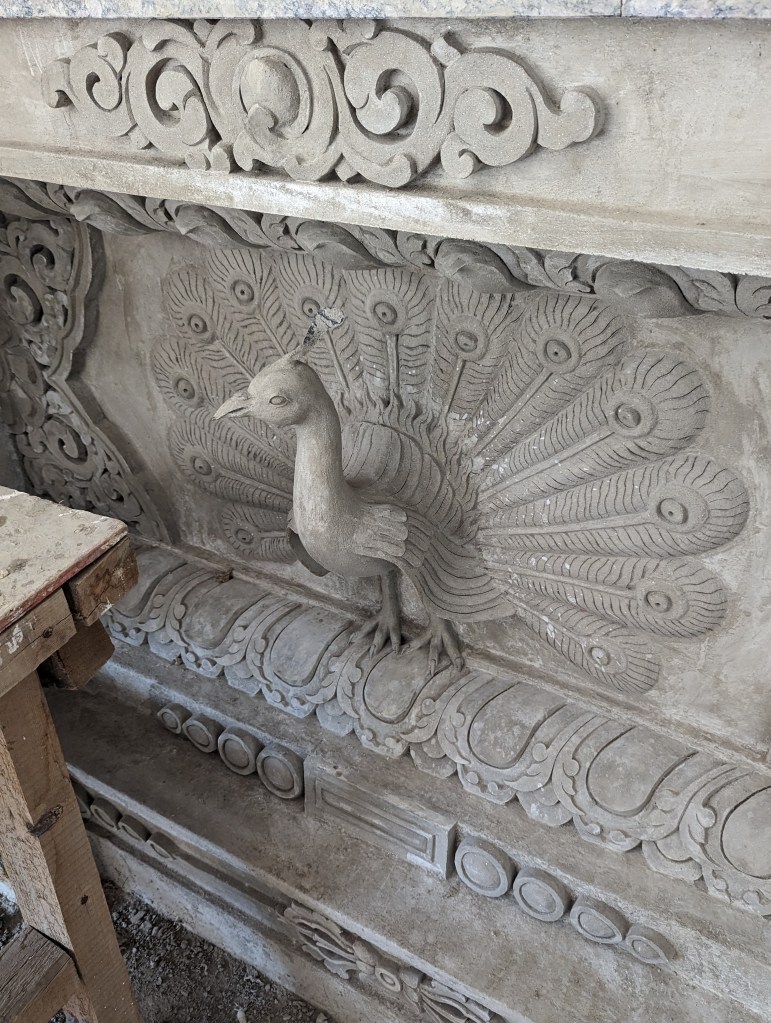
Adjacent to a park in downtown Thimphu funded by the government of Thailand, a new temple is being constructed. Unlike traditional Bhutanese temples, it will be filled with natural light from its many windows. We were very fortunate to watch over time the early stages of creating the religious statutes that will anchor this spiritual space.
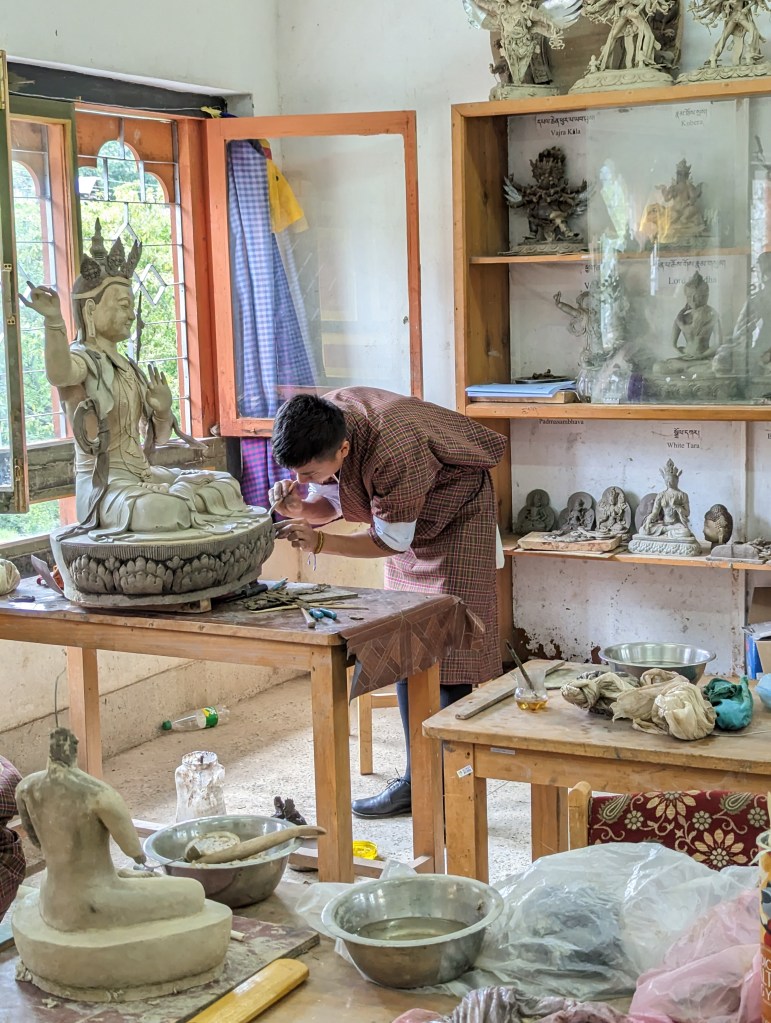
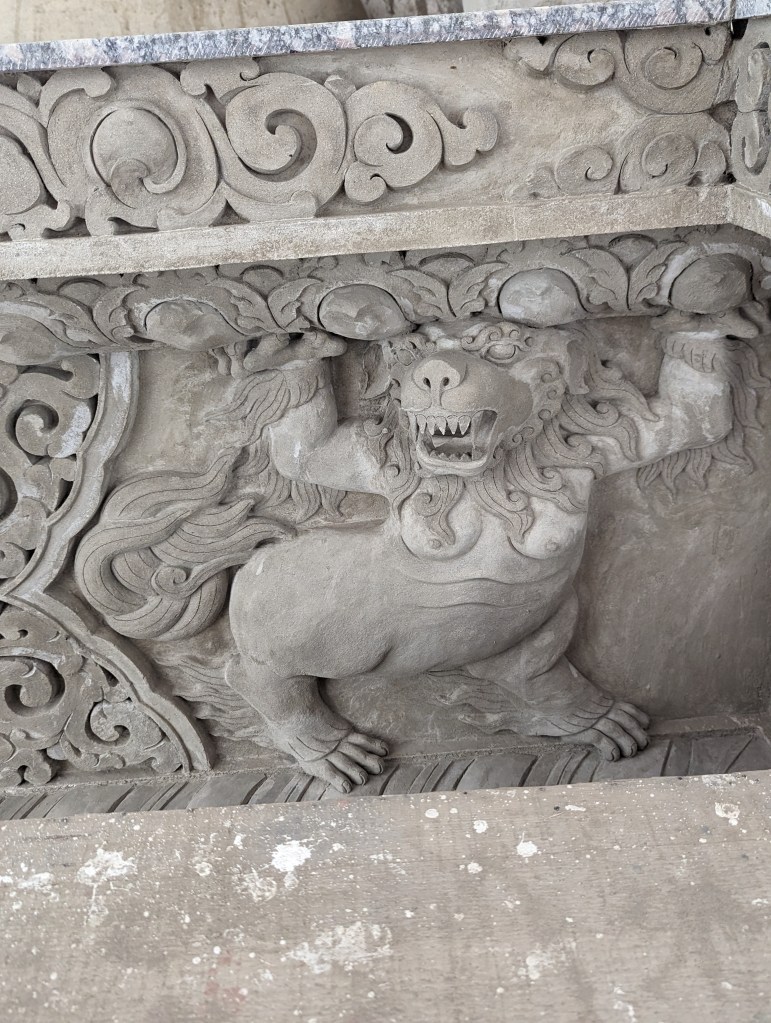
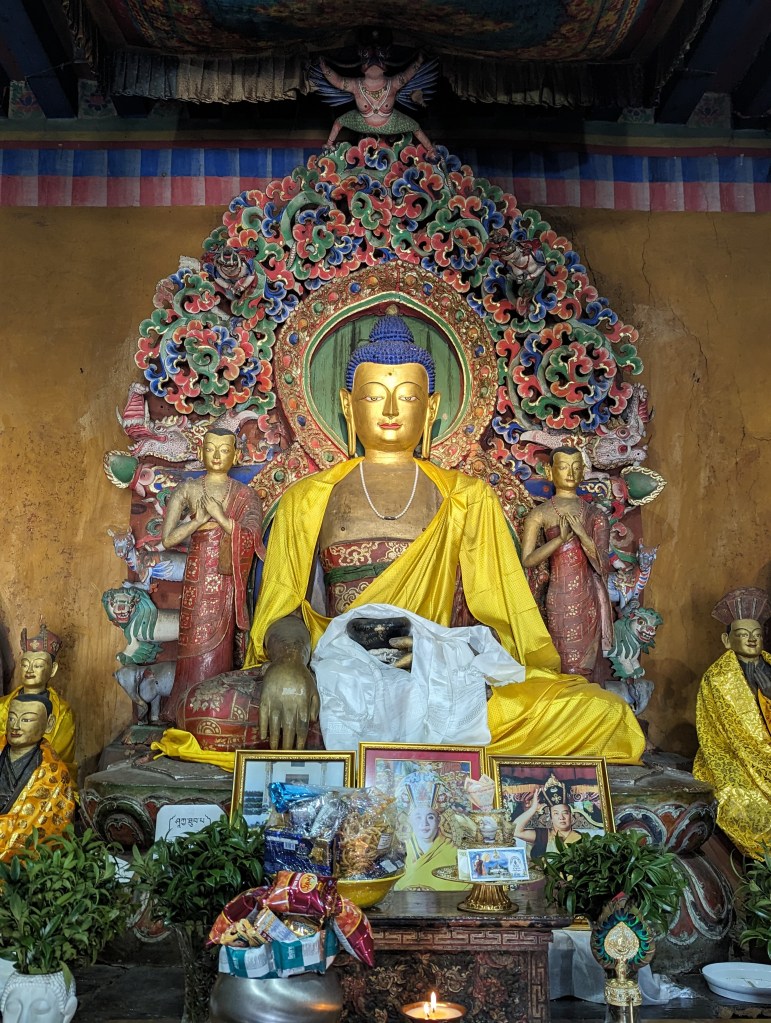
Jim zo or clay sculpture is one of the oldest of the traditional arts of Bhutan. Statues of Buddhas, bodhisattvas, dakinis, and various religious figures embody Vajrayana spirituality in temples dating back as far as the seventh century.

Training in Jim zo takes place in one of two Zorig Chusum schools, one in Thimphu and one in the east at Trashi Yangtse. The training takes six full years post high school, with about twenty students completing training a year, ensuring that the tradition is conserved. We’ve had the good fortune to visit both schools as well as many temples where restoration work is in progress. (For more on Zorig Chusum, see the post of 12/12/2019)
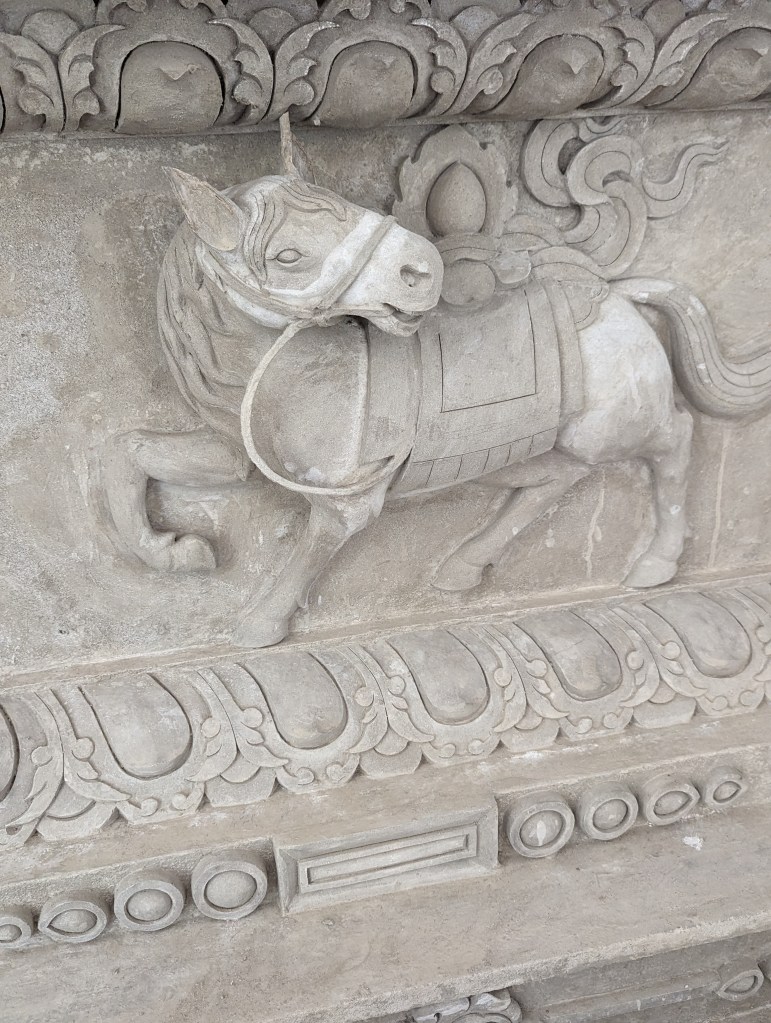
Clay is found across the country in various compositions and pigments. The success of a sculpture depends on the proper balance of clay and the added fibers of either the beaten bark of the Daphne plant or paper made from that bark. Twisted copper wire is often used for support.
The mixing of the clay and the bark is traditionally done manually by the artist. Here it was being done by machine.
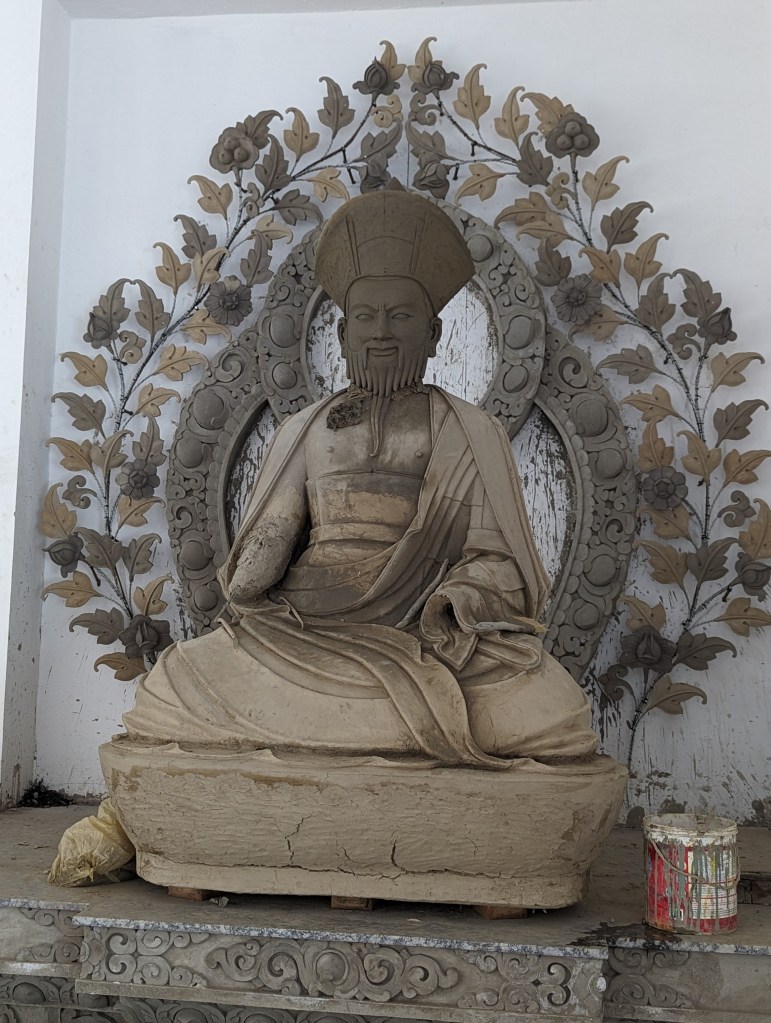
Zhabdrung Ngawang Namgyal, the Bearded Lama, was a Tibetan Buddhist Rinpoche of the Drikung Kagyu school who unified Bhutan in the seventeenth century. He is highly revered throughout Bhutan and has temples dedicated solely to his veneration.
Examples of completed Jim zo sculptures. Photo from private collection.
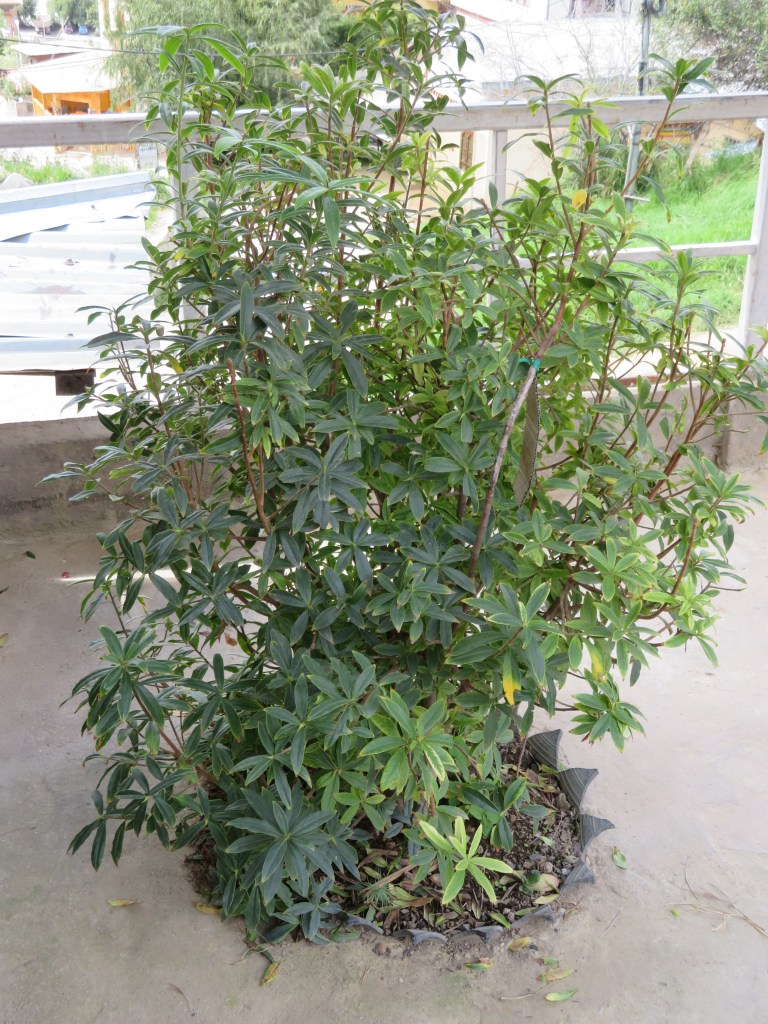
Daphne bholua, the Himalayan paper plant. A central ingredient in both Jim zo sculptures and traditional paper making.
The paper factory in Thimphu. Opened in 1990 by the Ministry of Trade and Industry to preserve the ancient practice of traditional paper making in Bhutan, it was privatized soon after and descho is sold around the world.
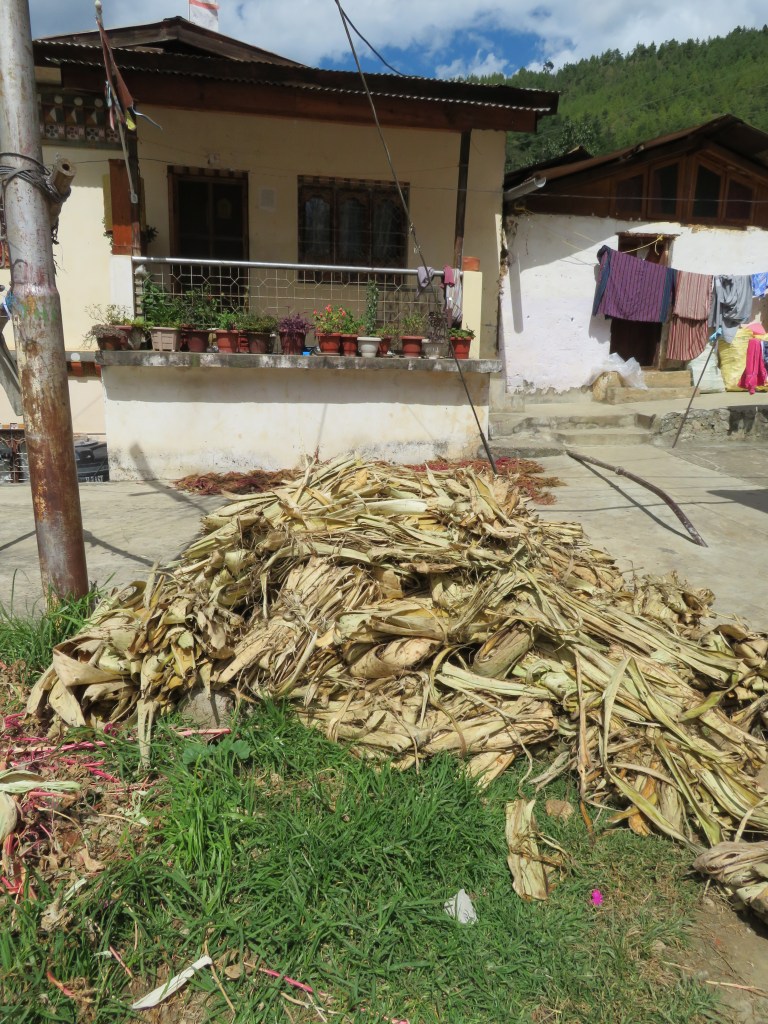
The fibrous bark of the Daphne plant.
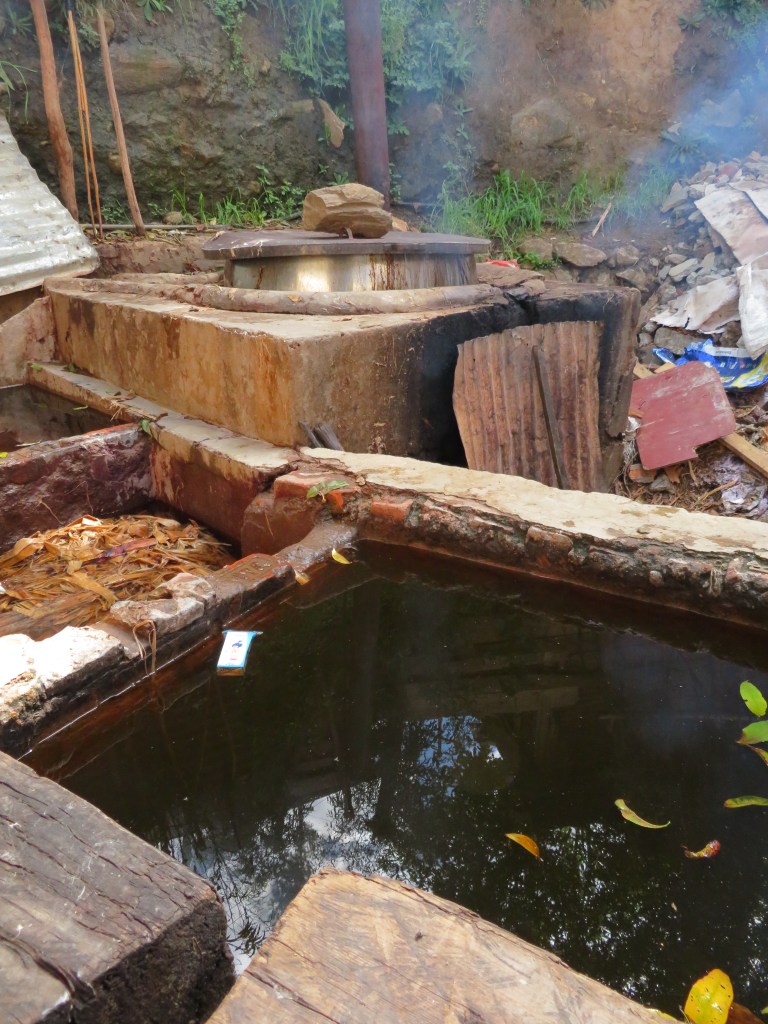
Soaking and cooking the bark in outdoor vats.
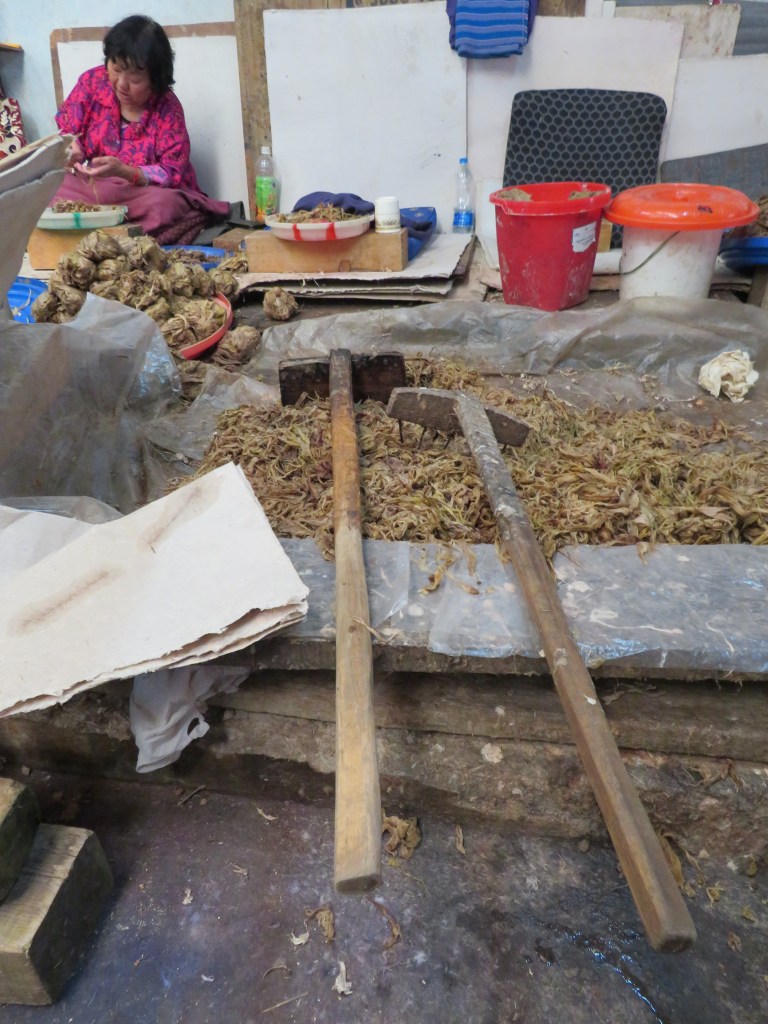
Further separation of the pulp by hand. It is crushed, pulverized further, then mixed with water and vegetable starch.
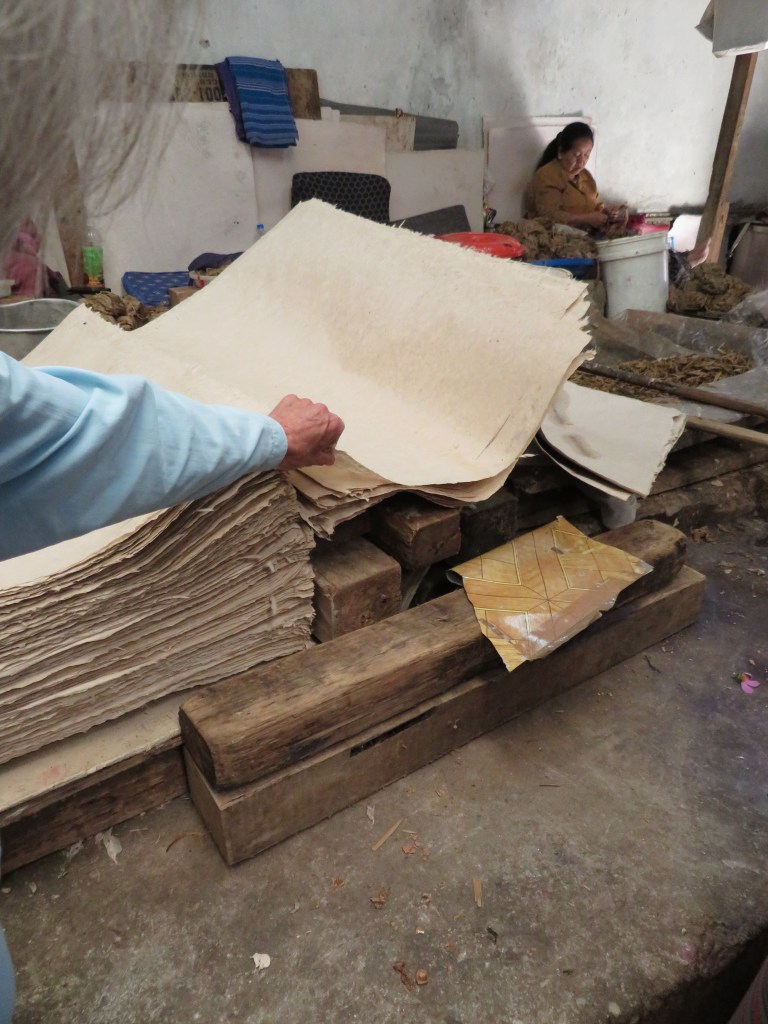
Final stages of paper making. A thin layer of pulp is scooped from the mixture onto a wooden framed bamboo screen and the water filtered and shaken from it. The stacked papers are compressed to remove more water, then air dried.
Dezo, The art of traditional paper making in Bhutan dates back to the eighth century and may have it’s origins in China. Religious scriptures and texts were written on descho using local inks and gold. Today you can also find the paper in the many craft stalls and souvenir shops in the form of note cards, hand made journals, traditional paintings and even wrapping papers with embedded flowers.
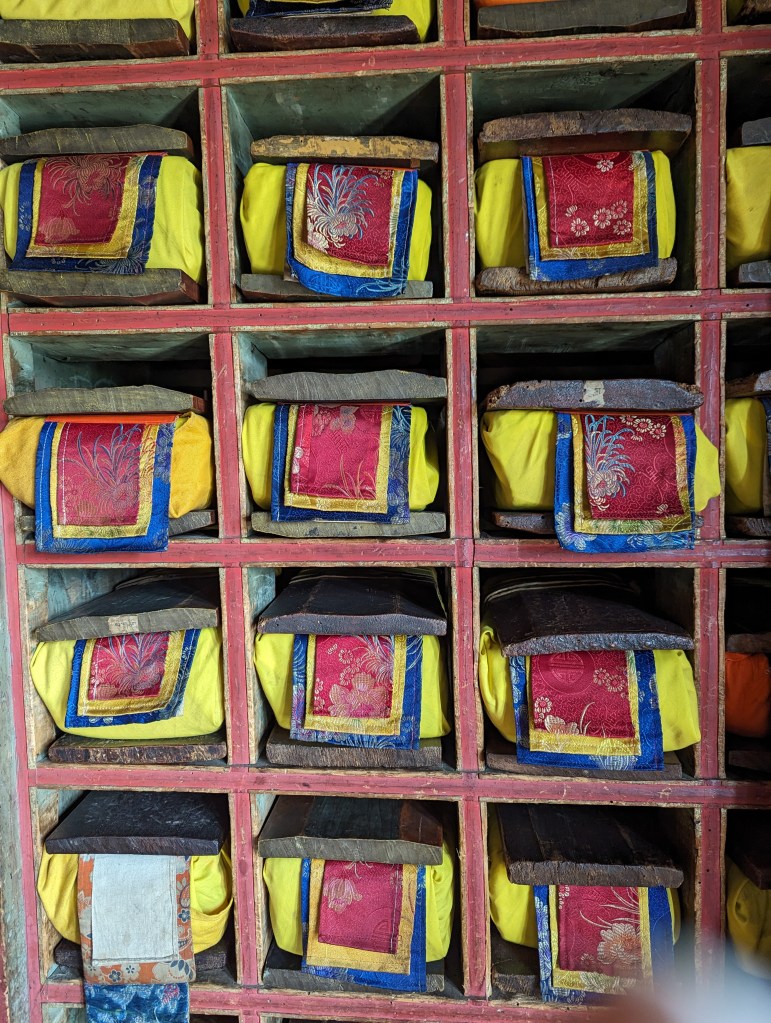
Ancient texts. Sutras were sometimes handwritten, and at other times, were woodblock prints on handmade paper. Carbon soot for ink was, in the past, one form of taxation, a way for households to support the production of religious texts. Texts are still chanted in the monasteries on a daily basis, read from these unbound books.
Jim zo studio at the Zorig Chusum school in Trashi Yangtse, 2023. We visited right before final exams.

Leave a comment