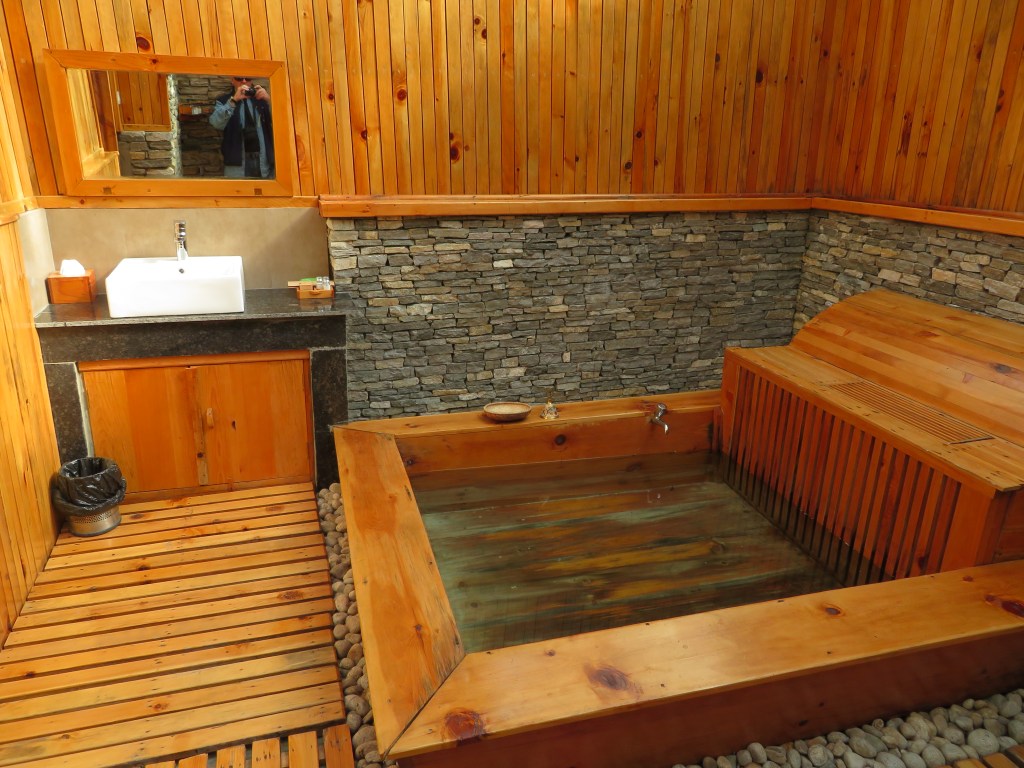
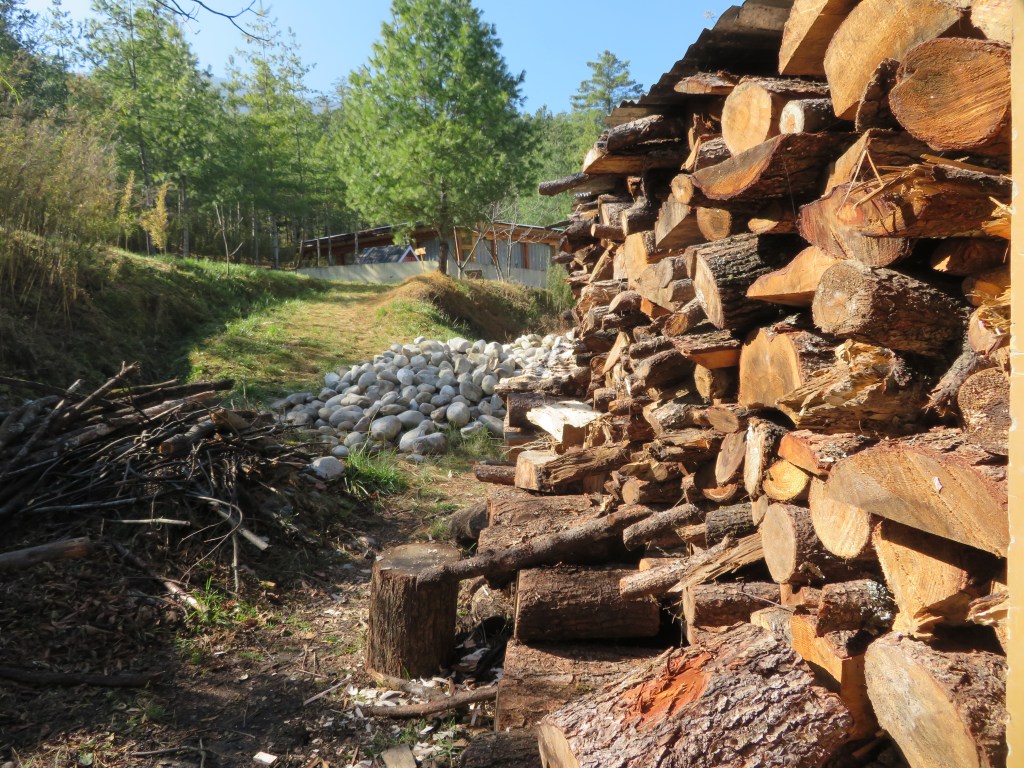
Our final 36 hours in Bhutan were a pleasant and relaxing conclusion to our adventure. Home to Thaksang, the Tiger’s Nest, Paro has much more still to offer historically and religiously. We spent a quiet first evening at the Naksel Resort, partaking in a traditional Bhutanese hot stone bath. Large rocks are heated in a wood fire for several hours and then dropped behind screens into a wooden tub, the rocks exploding and releasing minerals into bathing water, fragrant artemesia leaves floating on top. A ring of the tub-side bell and more rocks are dropped in on the bather’s request.
Wherever we went in Bhutan, people spontaneously expressed gratitude for our contributions to their country. The manager of the Naksel, sister to an oncology nurse that befriended us, offered us our rooms at a significant discount as a thank you.

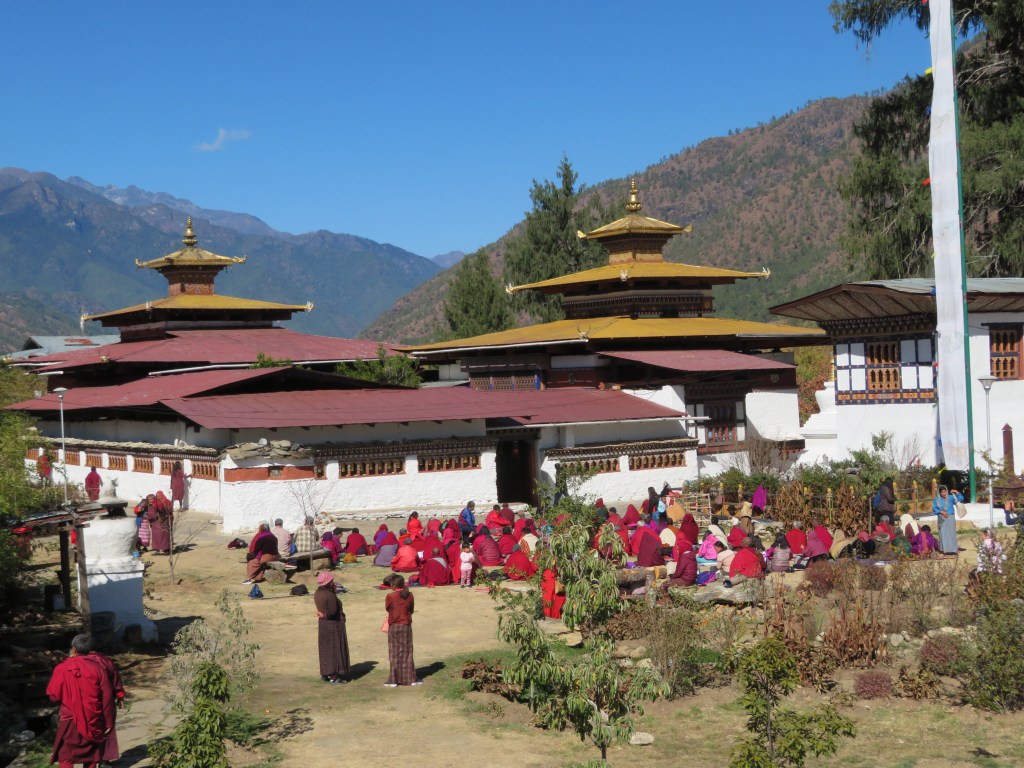
Kyichu Lhakhang is one of the earliest monasteries in the Kingdom of Bhutan. Built in the 7th Century by the Tibetan Dharma King, Songsten Gampo, it was one of 108 monasteries simultaneously constructed to subjugate the negative forces of a demoness reclining over the Himalayas and ensure the propagation of the Buddha Dharma. The Lhakhang has been cared for and renovated by successive lamas of various lineages over the centuries.
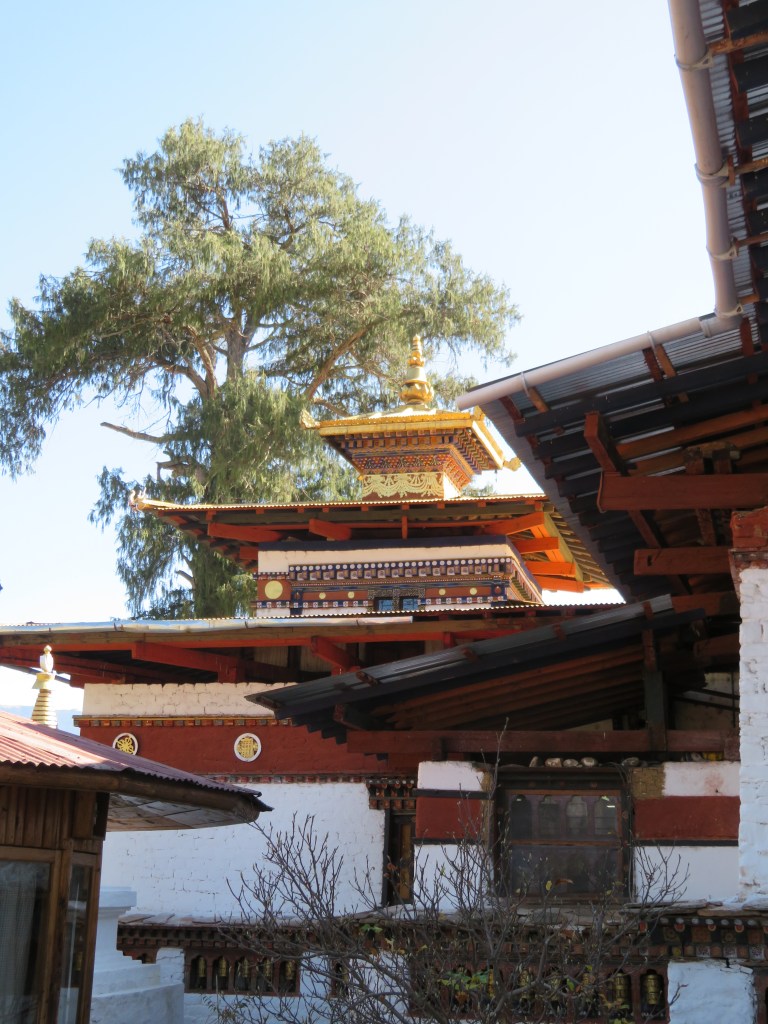
More recently, a new temple was built adjacent to the old, the New Guru Lhakhang. The history of Kyichu Lhakhang is beautifully documented in the book Kyichu Lhakhang, the Sacred Jewel of Bhutan. To my understanding, this is the only published book with authorized photographs of a temple interior in Bhutan. Finally, I am able to share with blog readers, some of the magic we have felt in the temples of Bhutan.
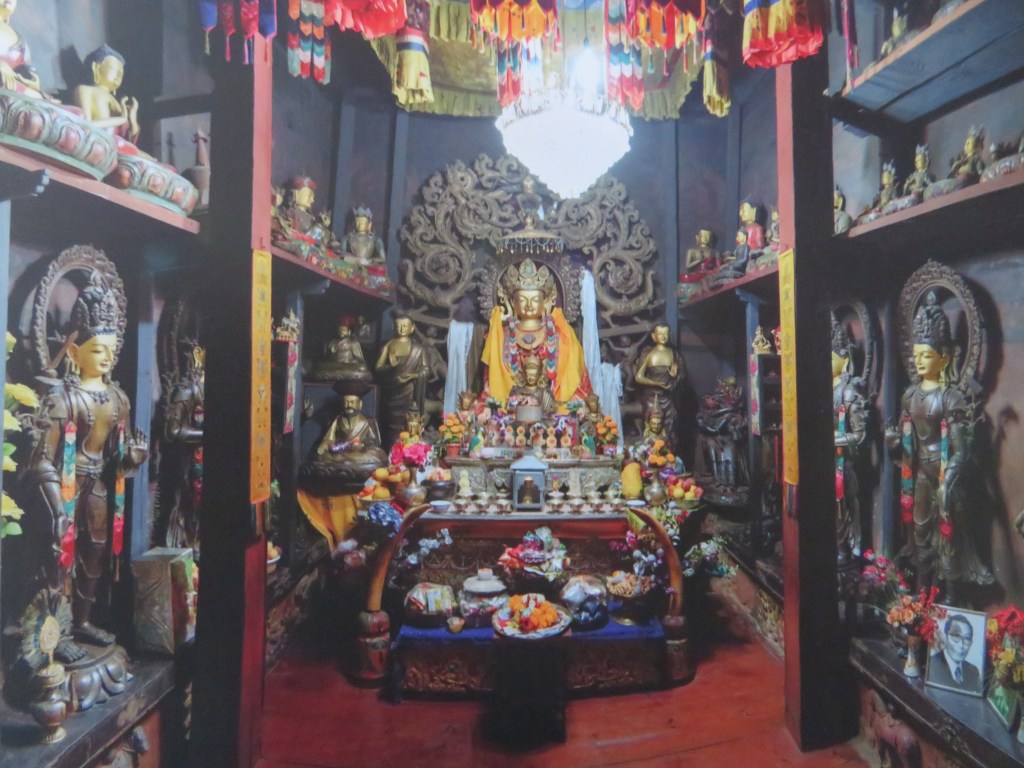
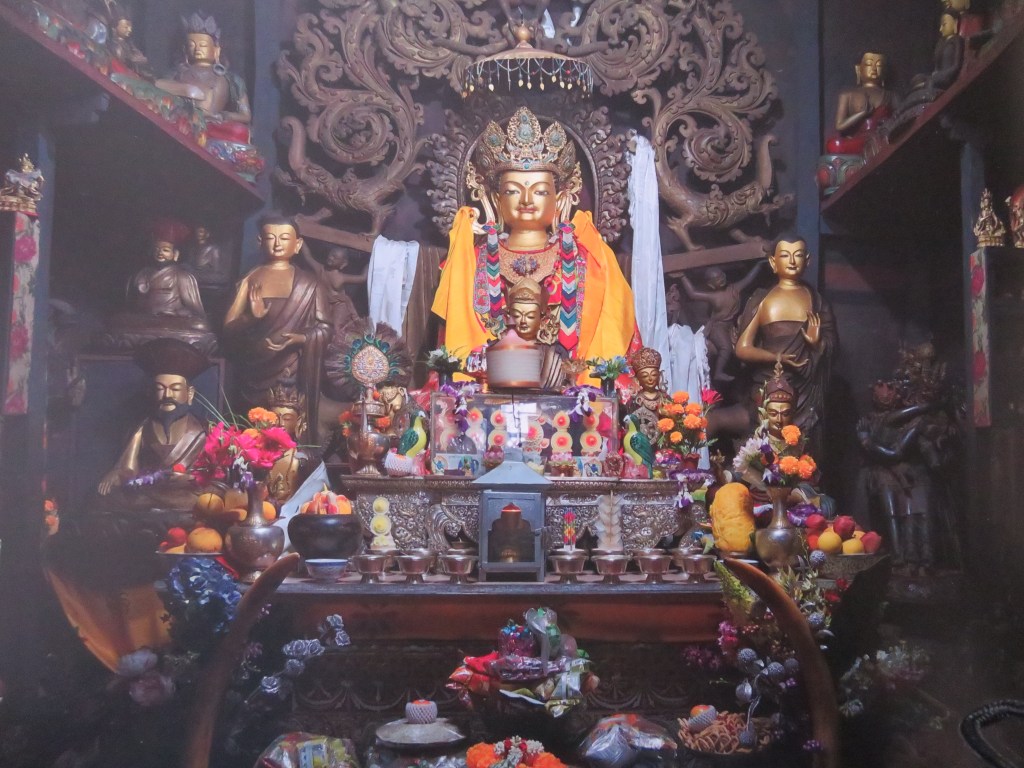
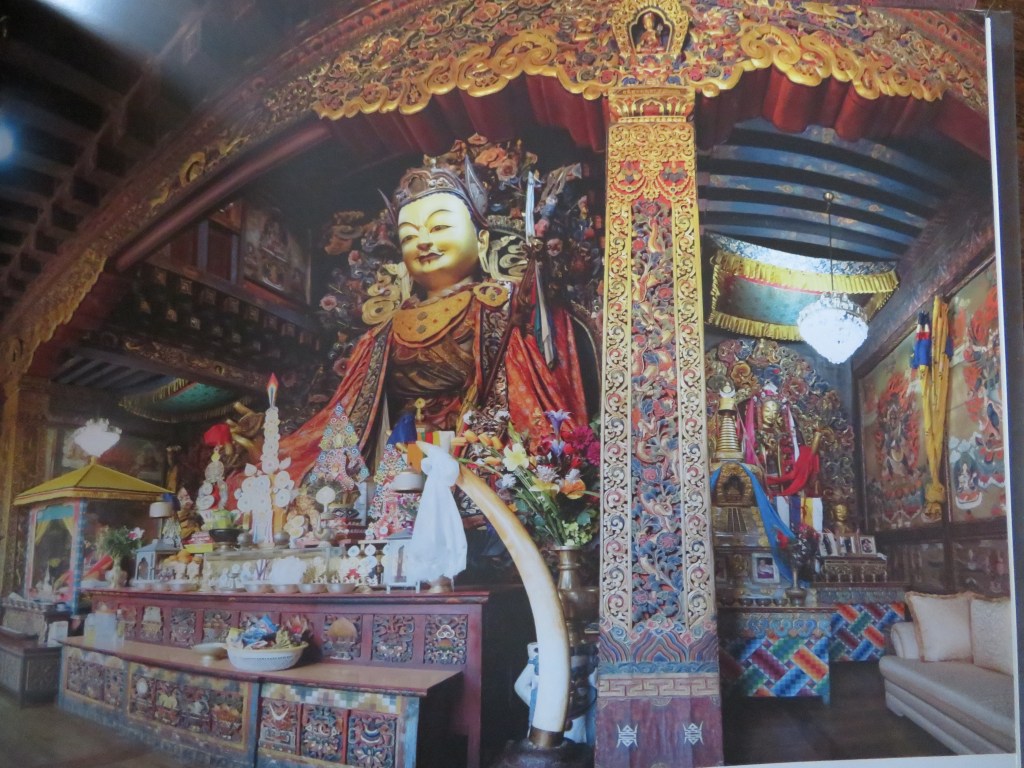
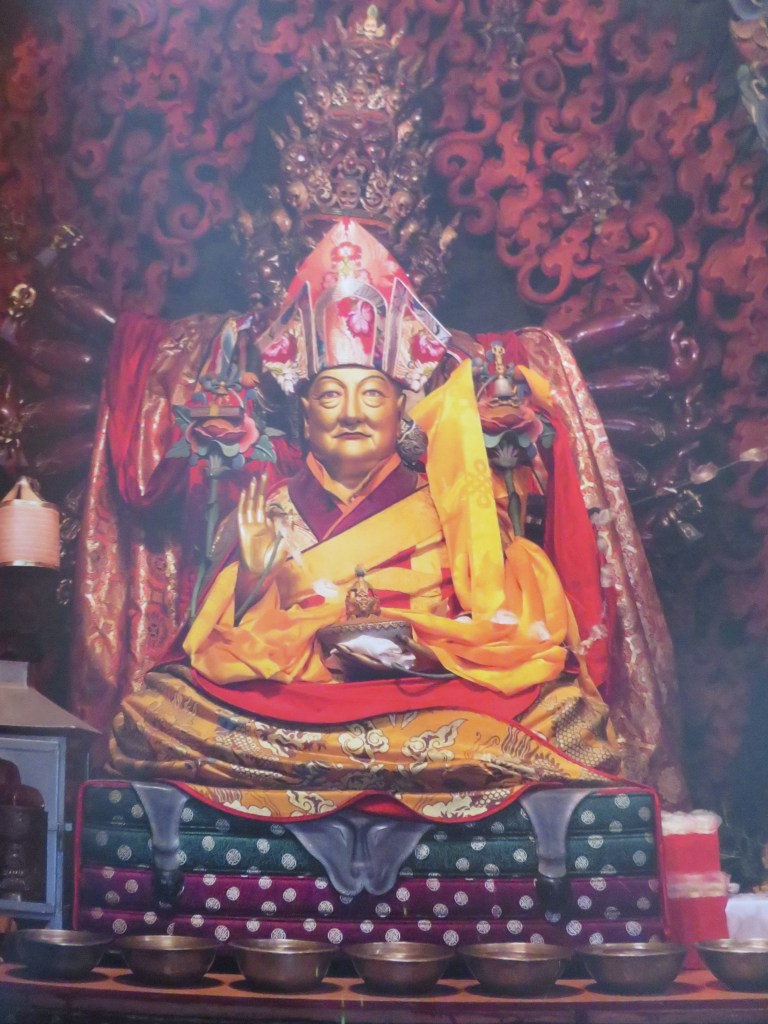
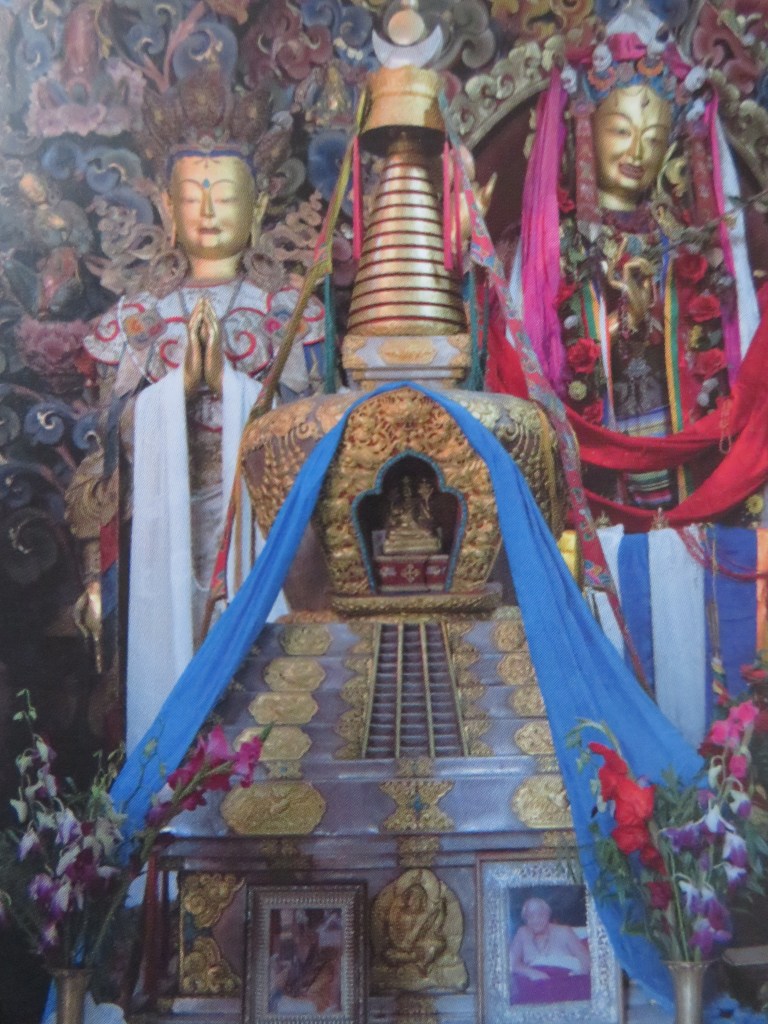
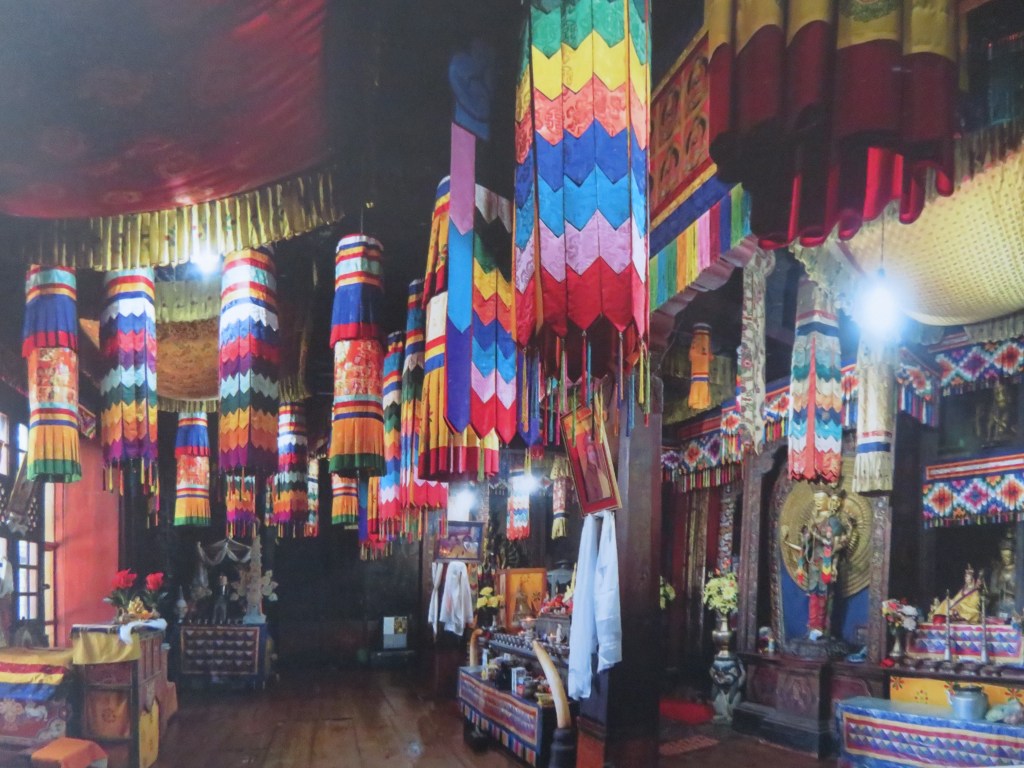
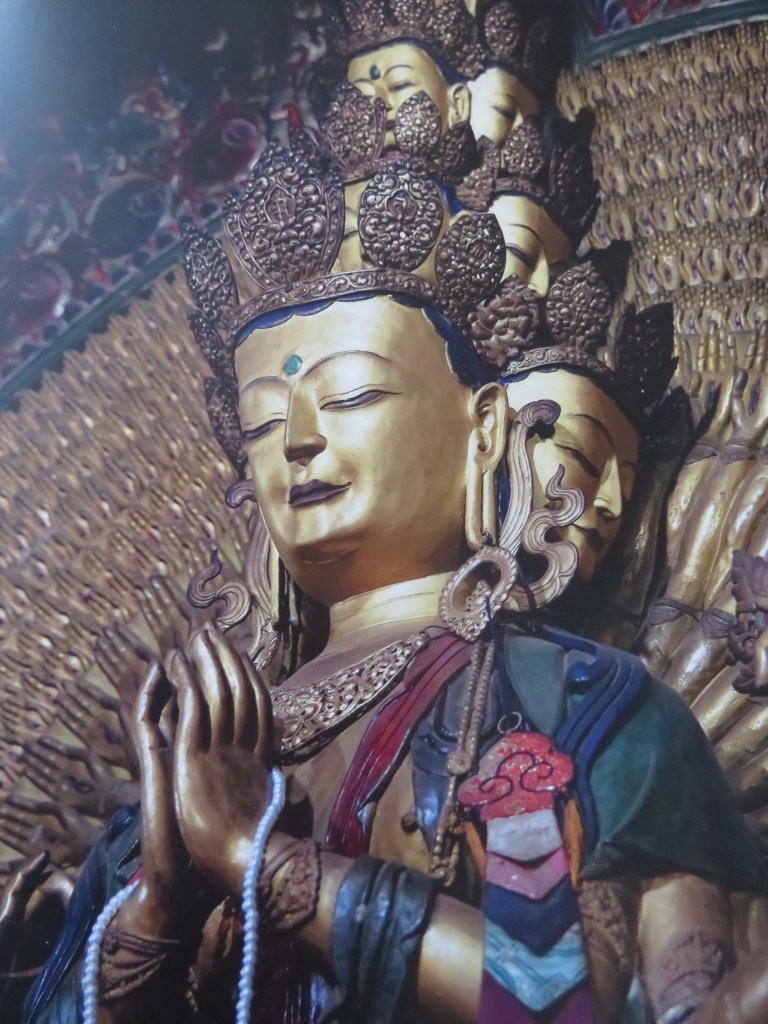


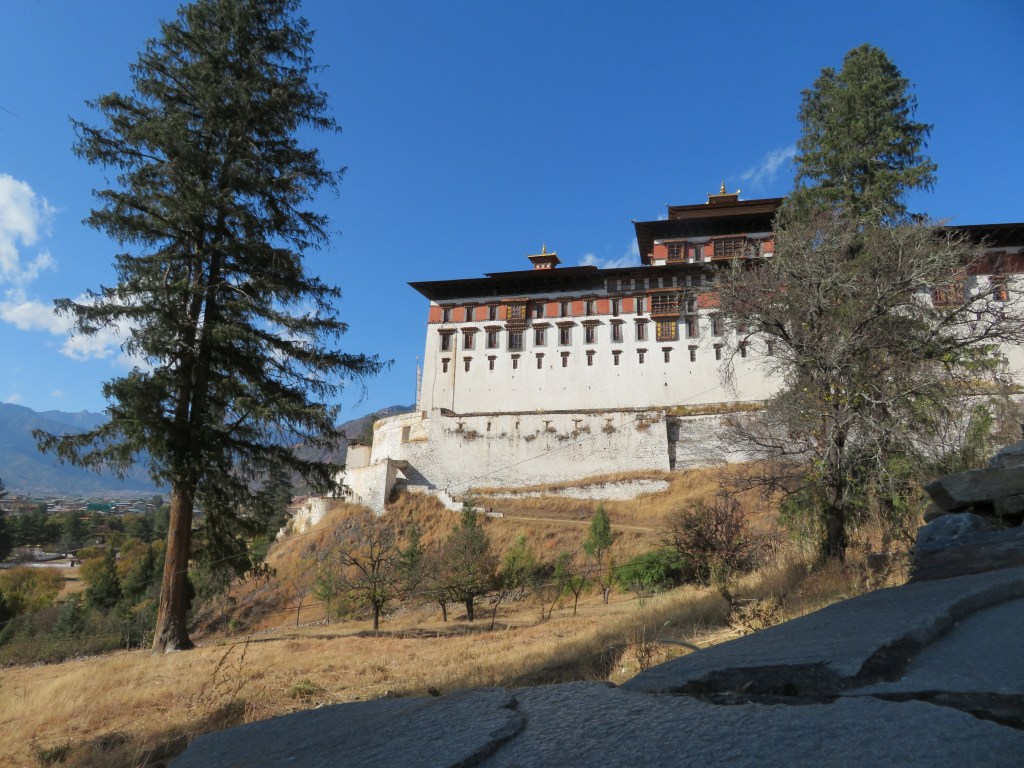
Paro, close to the western border of Bhutan, was a frequent target of Tibetan invaders, and the Dzong was critical in repelling them. Remarkably, we were told that the primary, if not the sole reason for the invasions was the desire of the Tibetan rulers to capture a single relic, one of 21 golden vertebra believed to be that of the Boddhisatva Avalokiteshvara. The watchtower museum is undergoing repair of earthquake damage but the beautiful temporary National Museum of Bhutan is adjacent and well worth a visit.
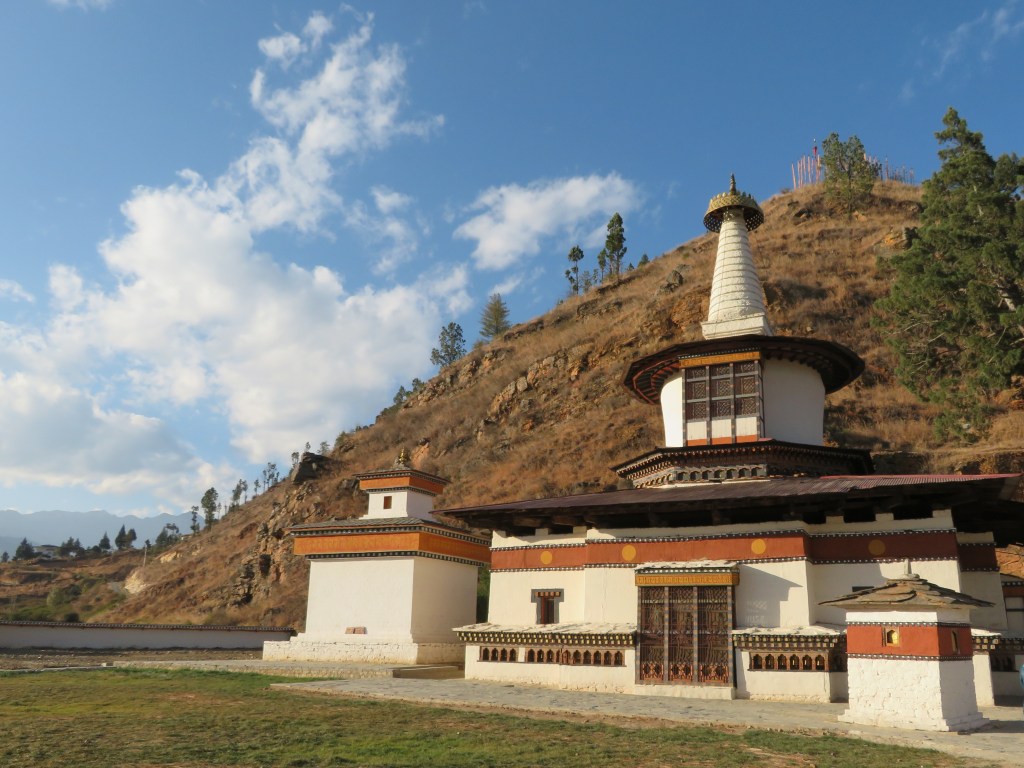
The Dumtseg Lhakhang was built in the 14th Century by the Tibetan Saint Drupthob Thangtong Gyalpo. A Buddhist adept, physician, blacksmith, architect and pioneering civil engineer, Gyalpo was known as the Great Iron Bridge Builder, “the Leonardo Da Vinci of the Himalayas.” He travelled to Paro to mine iron, trained villagers to forge iron chains and built suspension bridges throughout Bhutan, some of which are still in use.
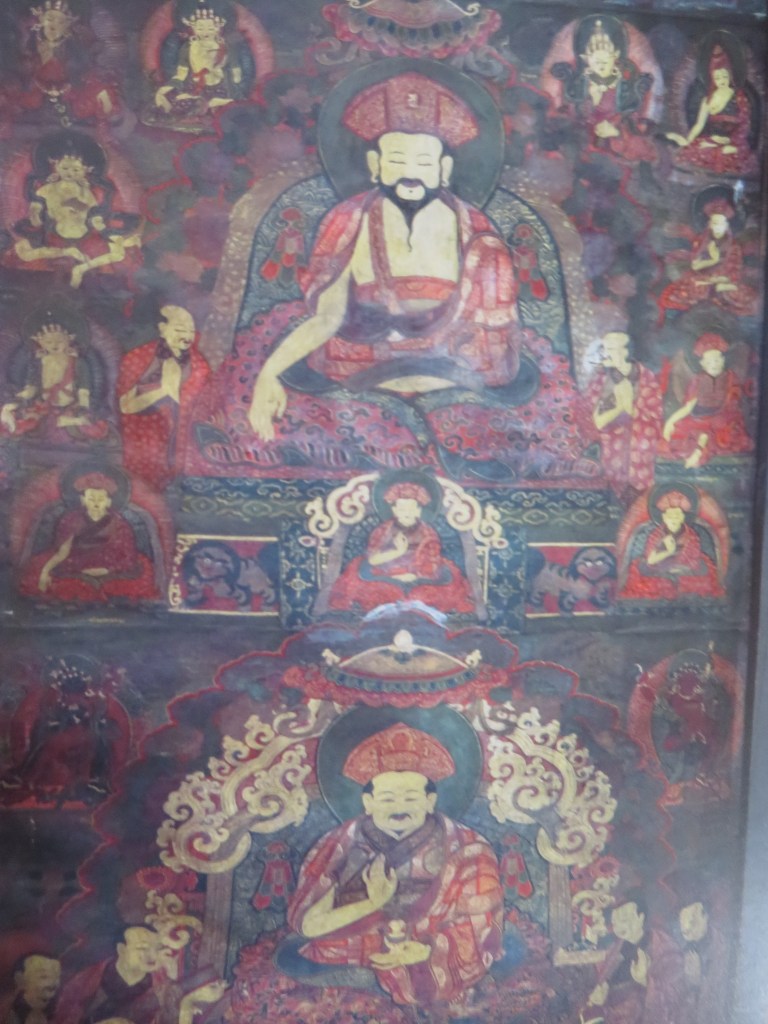
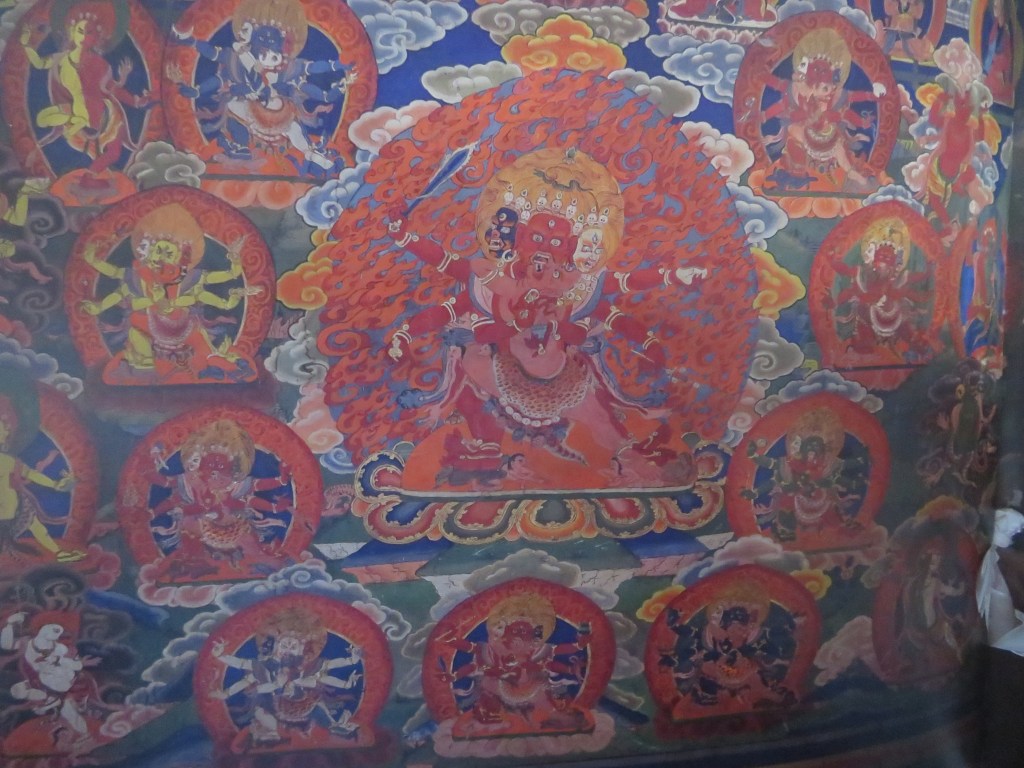
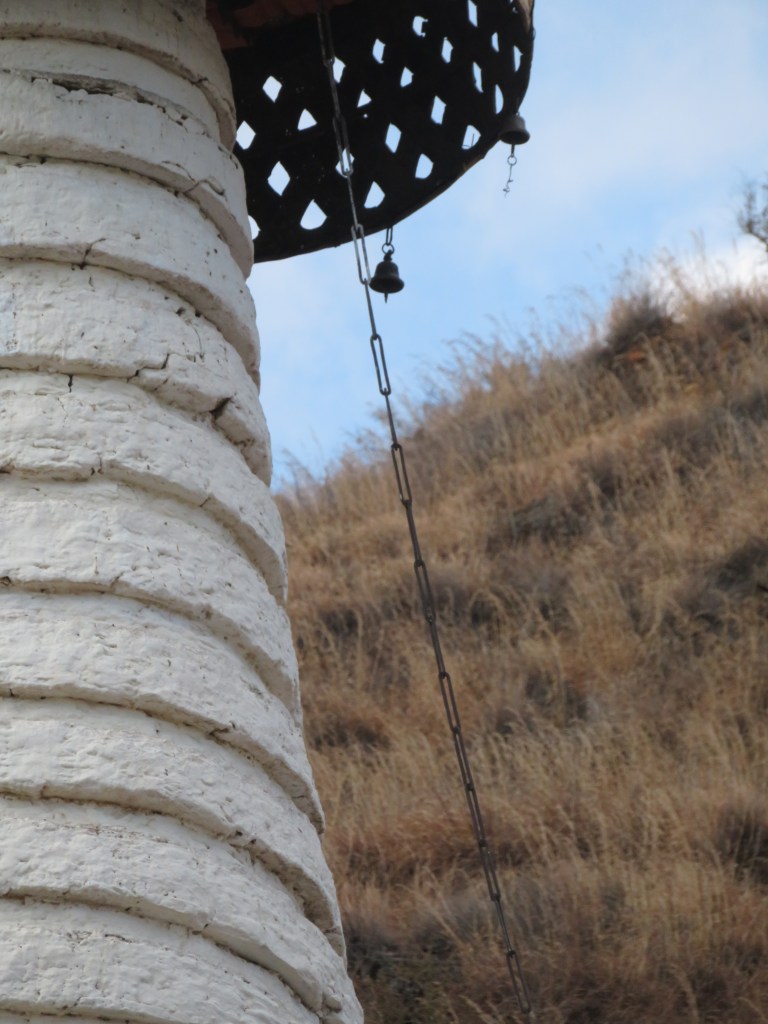
The temple he constructed in Paro is unique with it’s central chorten. Within the chorten tower is a single massive column with a walkway around the column only a meter wide. The column and the walls are covered with original wall paintings, with religious statues set into small recesses at intervals and little other ornamentation. Faded victory banners, centuries old, could disintegrate with just a touch. Steep step-ladders from level to level are worn round by the feet of 700 years of worshippers, the more durable knots protruding from the steps and floorboards, the handrails smooth as silk. Small windows are boarded to keep the damaging light out and visitors find their way about with the light from cell phones.
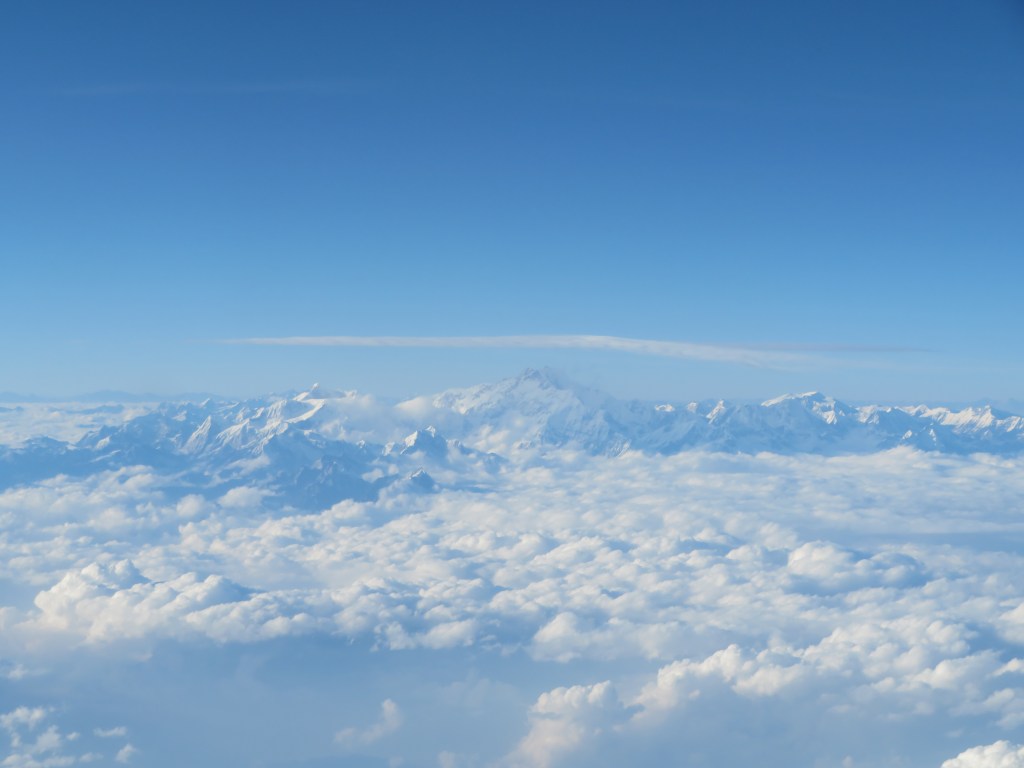
Bangkok: Temple of the Golden Dawn
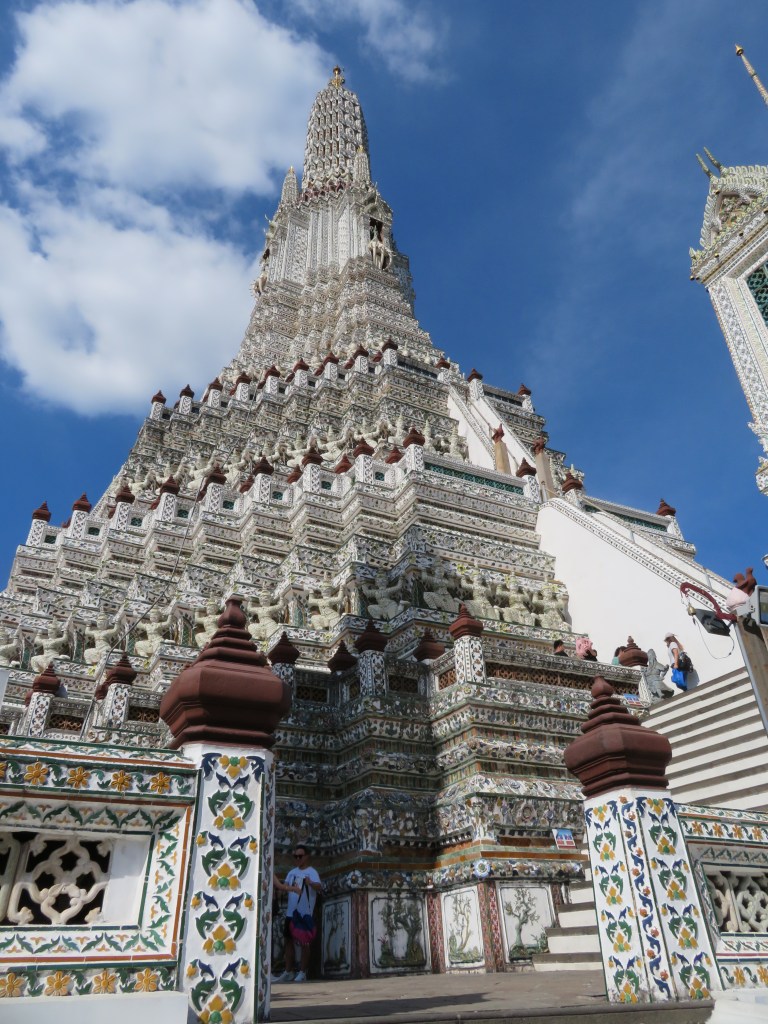
The elaborate but symmetrical architectural detailing of the temple’s exterior stands in stark contrast to the simplicity of Himalayan Buddhist temples.
The intricately detailed simplicity of the temple’s interior again stands in contrast to the complex layering of wall paintings, tapestry, banners, ritual cakes and statuary that build to the quiet chaos and engulfing spirituality of Bhutanese temples.
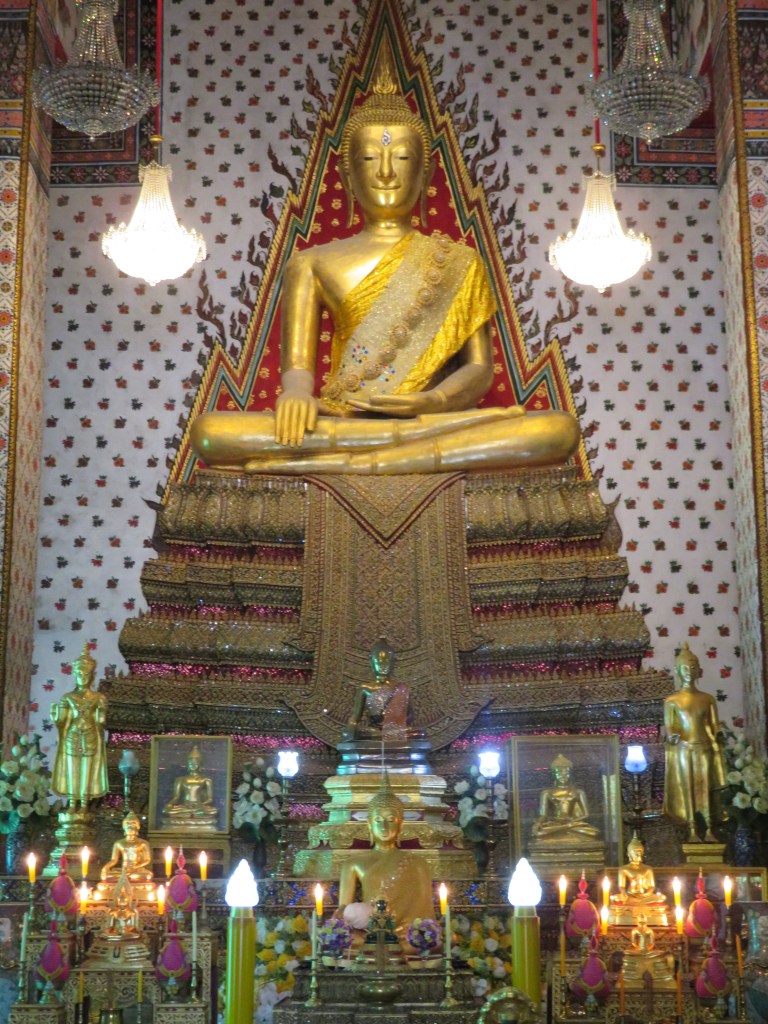
The Temple of the Golden Dawn seemed to function primarily as a tourist attraction, people moving through rapidly, photographs permitted and a single monk collecting donations off to the side while fixated on his cell phone. Fortunately, with the more remote location of Bhutanese temples, the government’s high value/low volume approach to tourism and the prominent and active role of monastics in Bhutan, the temples remain places of spiritual retreat and focal points of community while keeping the doors open to curious adventurers anwith hd seekers of wisdom.

 Our Seasons in Shangri la
More magnificent pictures and you are almost home. I have missed you here but enjoyed be included in your experience through these blogs. Terrific! Welcome back to your home village, look forward to seeing you both😊
LikeLike
Looking forward to seeing you at home. Wonderful to read all the travel adventures you have had.
hillary hillary.rusch@mac.com (315) 408-8958
>
LikeLike