
Tsechu here in the hills of eastern Bhutan is a very different affair in many ways from the tsechu we attended years ago in Thimphu (see our posts of 10/2019). A very traditional tsechu, it reminds us in some ways of how country fairs arose in the Europe and the US. People come from all around for this annual event, some traveling for days. For many, it may be the only time they leave their village each year, their only opportunity to reconnect with friends and family, and perhaps arrange a marriage. Women wear their finest kira, men their finest gho, many hand woven and reserved for this special occasion.
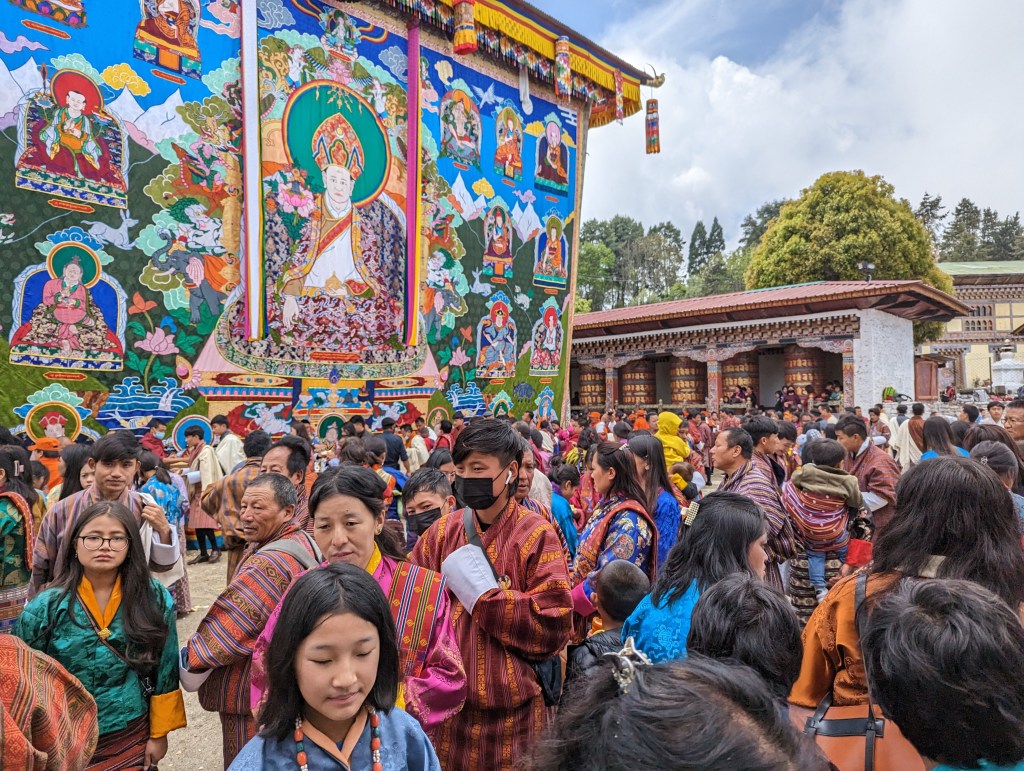
This is the tapestry throngdel (“liberation through seeing”) of Dudjom Rinpochhe Jigdrel Yeshe Dorji (one of the great master of Tibetan Buddhism).
Dudjom Rinpochhe was the root teacher of Lama Tshewang also known as lama karpo, the founder of Yonphula Temple. In the dark hours of the morning on the final day of Tsechu it is unfurled, to be taken down again before the rays of the sun strike it. Attending tsechu is believed to be a way of earning merit, improving your karma and your chances in the next life. Witnessing the unveiling of the throngdel is especially auspicious. An additional auspicious coincidence was that our visit occurred on the death anniversary of Zhabrung Ngawang Namgyal, the seventeenth century unifier of Bhutan.
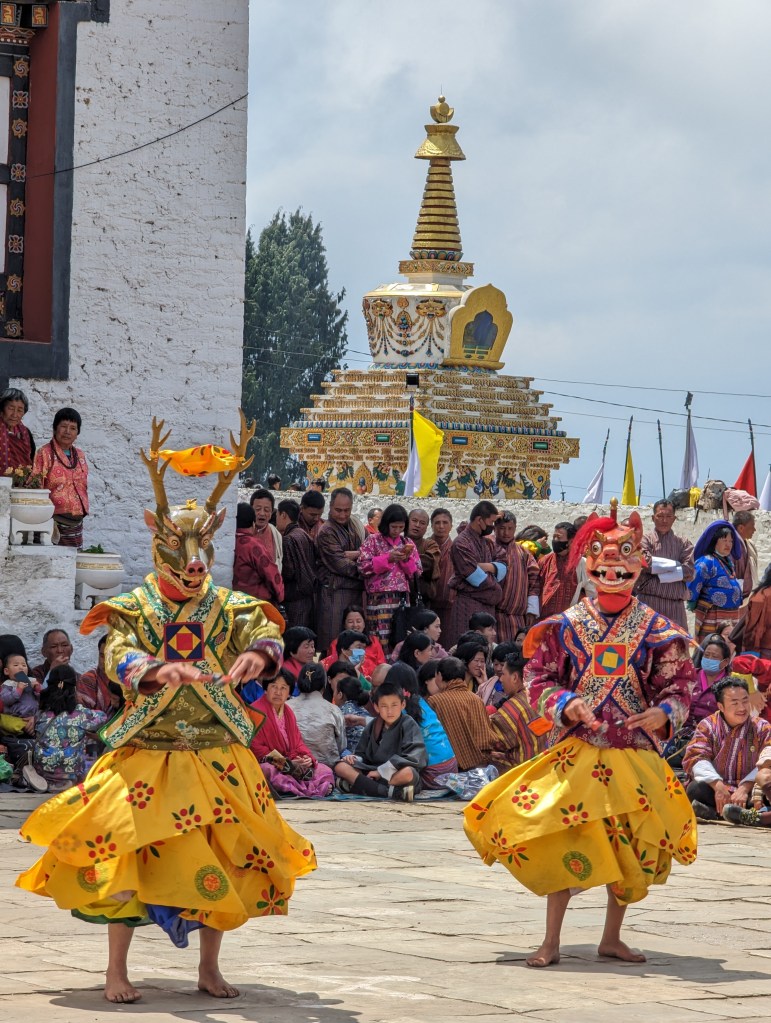
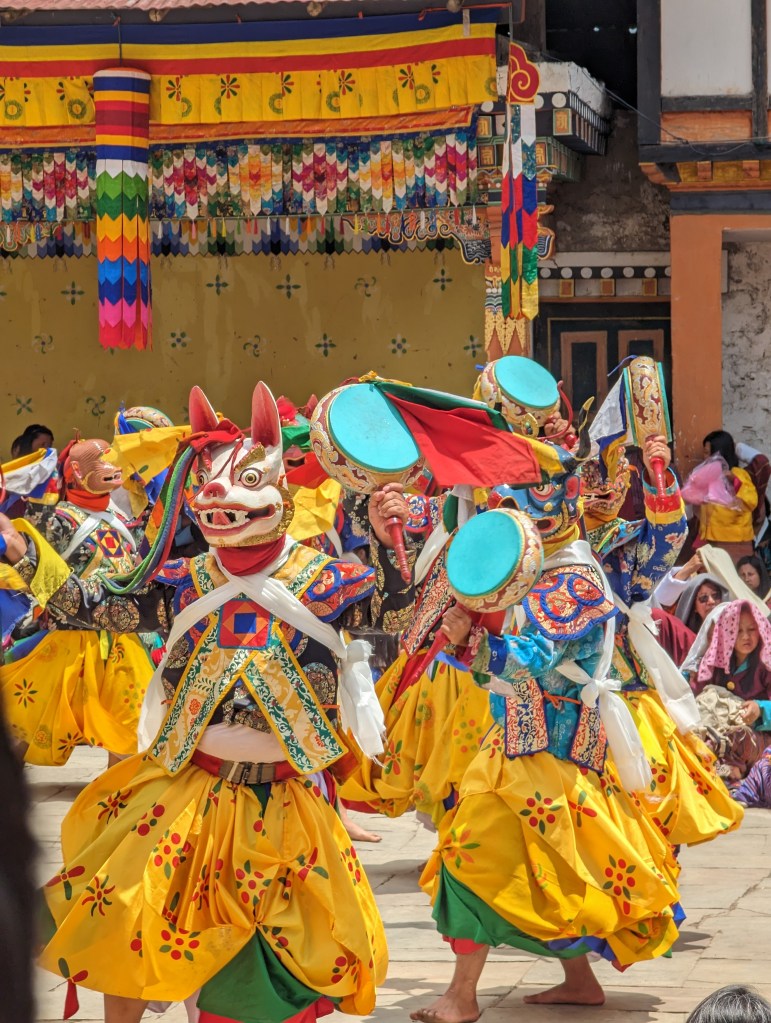
For more on the masked dances, see the posts in October of 2019.

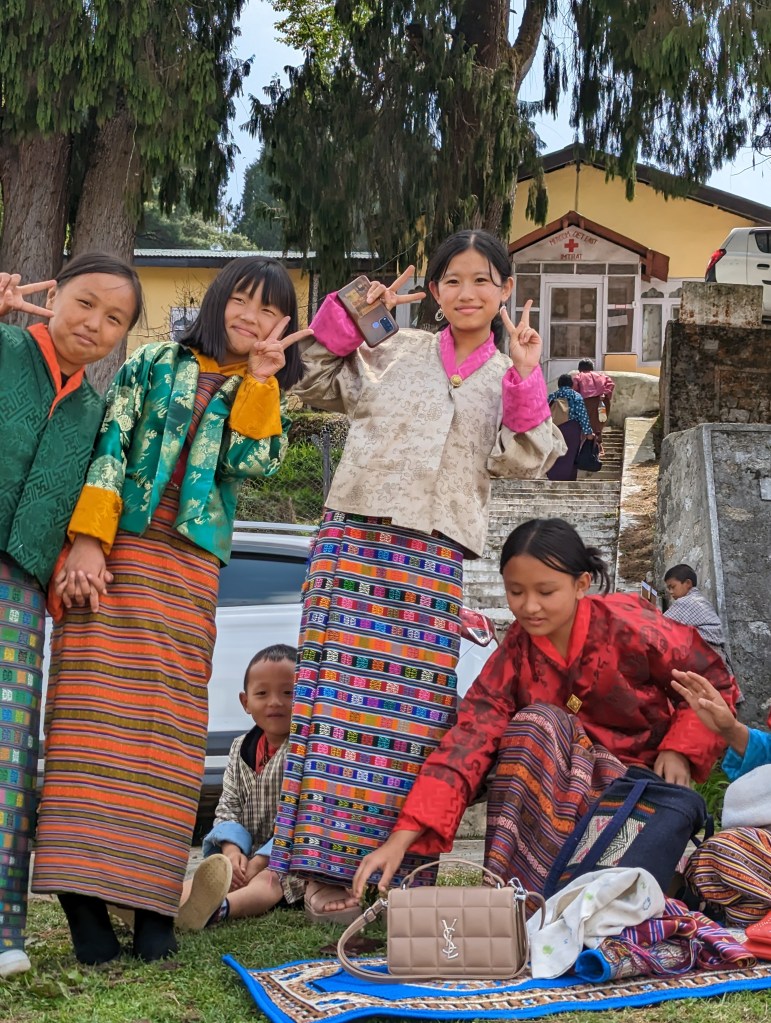
Time to be with friends, old and new, from far and near In the background is the Indian Army outpost hospital.
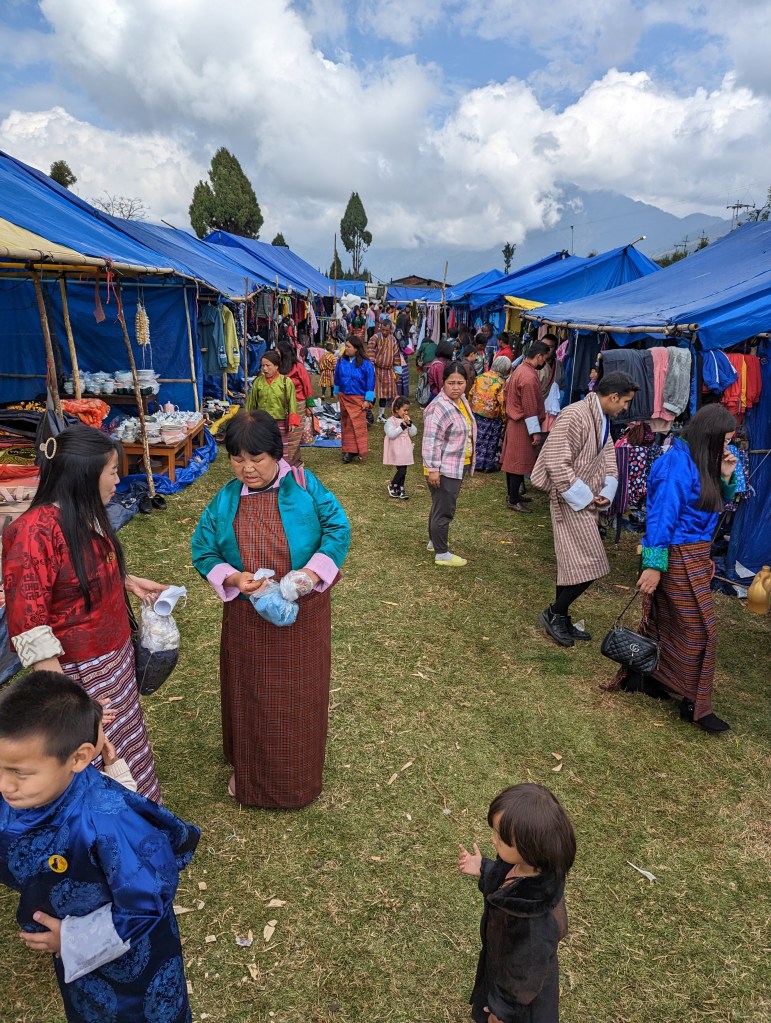
For villagers from remote parts of the East, Yonphula tsechu is the occasion to purchase any manufactured clothing, housewares and small appliances they may need. There were none of the expected tourist oriented craft stalls. With the exception of some beautiful hand-woven kiras and ghos, it was a consumer shopping bazaar. For some villagers, this is also one of the few opportunities to sell their wares and supplement their farming income with cash.
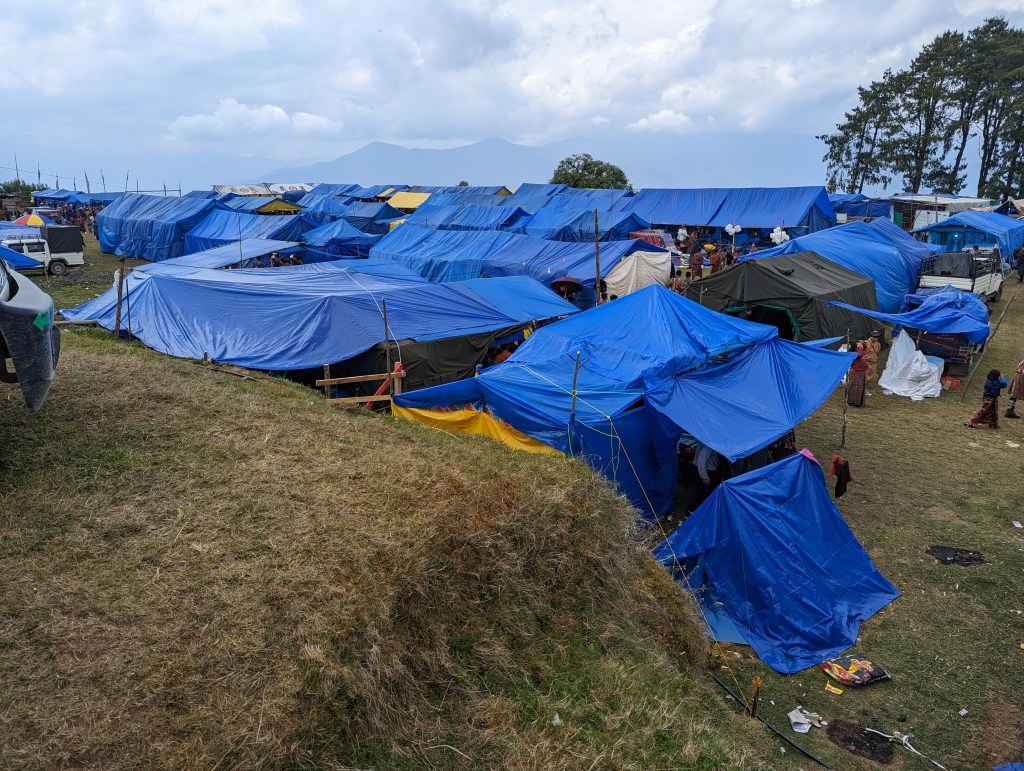

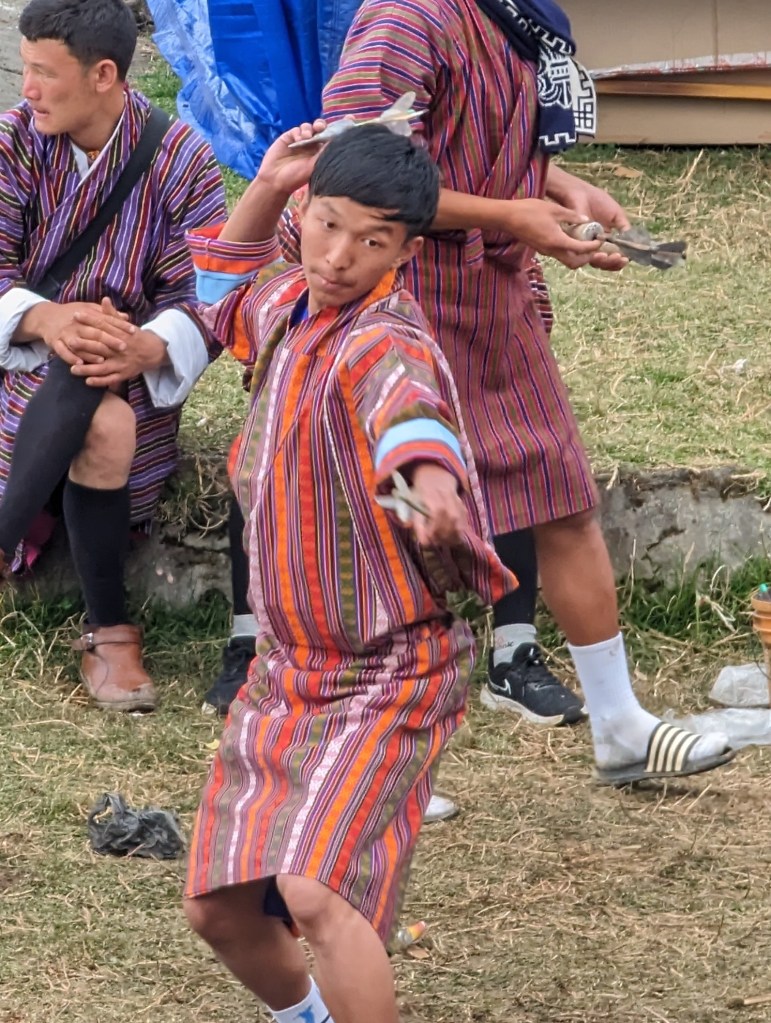
Bhutanese love gambling and there was no shortage of opportunities in the concession tents. Many also love to drink and there was no shortage of beer. I have heard that in the past many villagers under the influence of alcohol spent the nights in the open air., Going home broke. Tsechu down the mountain a bit was known un the past as the “kholong tsechu,” (khonlong meaning to brawl), but this has apparently changed over the years.
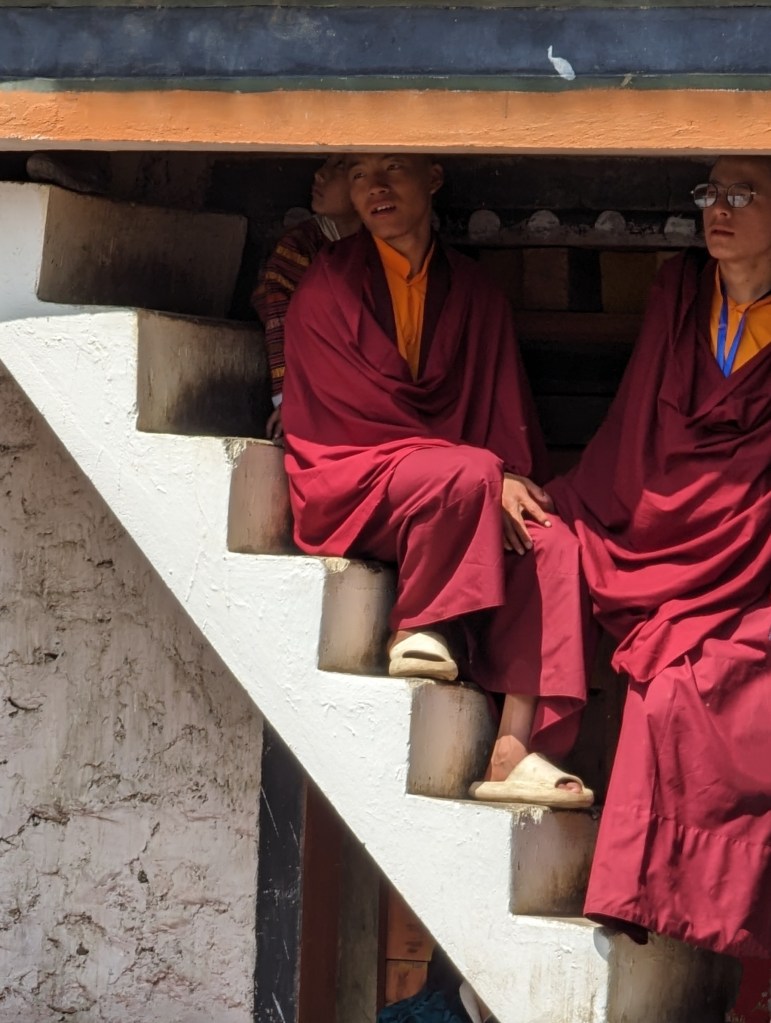
Tsechu remains, above all, a religious festival.
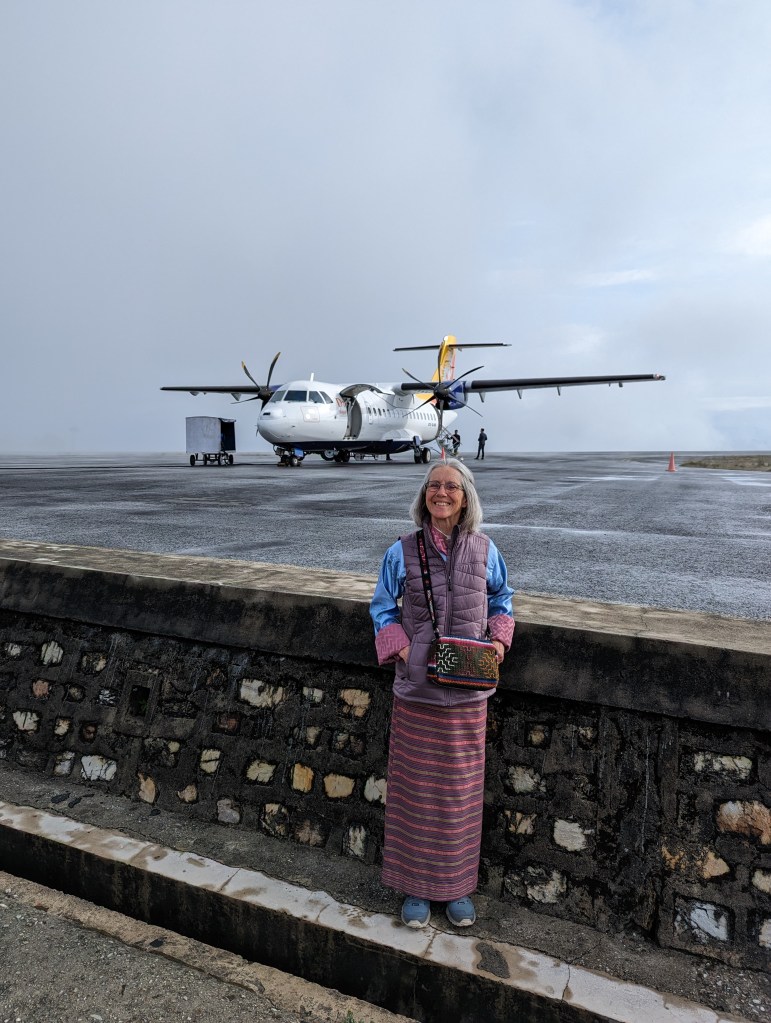
Arrival in Yonphula airport. A very short runway carved from a mountaintop at 2700 meters altitude, dropping off to oblivion on all sides, requiring a forceful deceleration. Our plane stopped short of a massive pile of dirt at the end of the runway , there “just in case.” Planes are able to land in a narrow weather window of only two or three hours each morning and are often forced to turn back to Paro. We were lucky today.
 Our Seasons in Shangri la
This is the tapestry throngdel (“liberation through seeing”) of Dudjom Rinpochhe Jigdrel Yeshe Dorji (one of the great master of Tibetan Buddhism).
Dudjom Rinpochhe was the root teacher of Lama Tshewang also known as lama karpo the founder of Yonphula Temple
LikeLike
Thank you so much to our guide, Pedma
LikeLiked by 1 person
Regarding the comment about beer and gambling, it’s always interesting to learn about shared human experiences across the world! The masked dancing pictures are amazing….full of color and imagination…..and what a joy to see Margaret smiling so happily. Thx for sharing!
LikeLike
What an amazing day! I’m exhausted just reading about it. What a unique experience – it does bring to mind medieval fairs. The colors are fantastic. I’m glad you made it there and back in one piece.
LikeLike